
This section exists because of a gap we went looking for and did not expect to find. We checked five national heritage bodies for a glossary of castle terms written for visitors. English Heritage, Historic Environment Scotland, Cadw, Historic Royal Palaces, the National Trust. None of them publishes one. The nearest thing is a two-page activity sheet for school parties at one castle in Herefordshire, unlinked from anywhere a visitor would look, and two of its definitions are wrong.
Meanwhile the same handful of castle facts circulate everywhere, and most of them turn out to be Victorian. Not medieval: Victorian, and in one case traceable to a single art critic writing in 1902.
So these five pages do the reference work, using the classifications museums and archaeologists actually use, and the words the institutions actually publish about their own buildings.
The five pages, and the dossier they feed
Built on the Getty Art and Architecture Thesaurus, the Historic England monument type thesaurus, UNESCO site descriptions and the heritage bodies themselves.

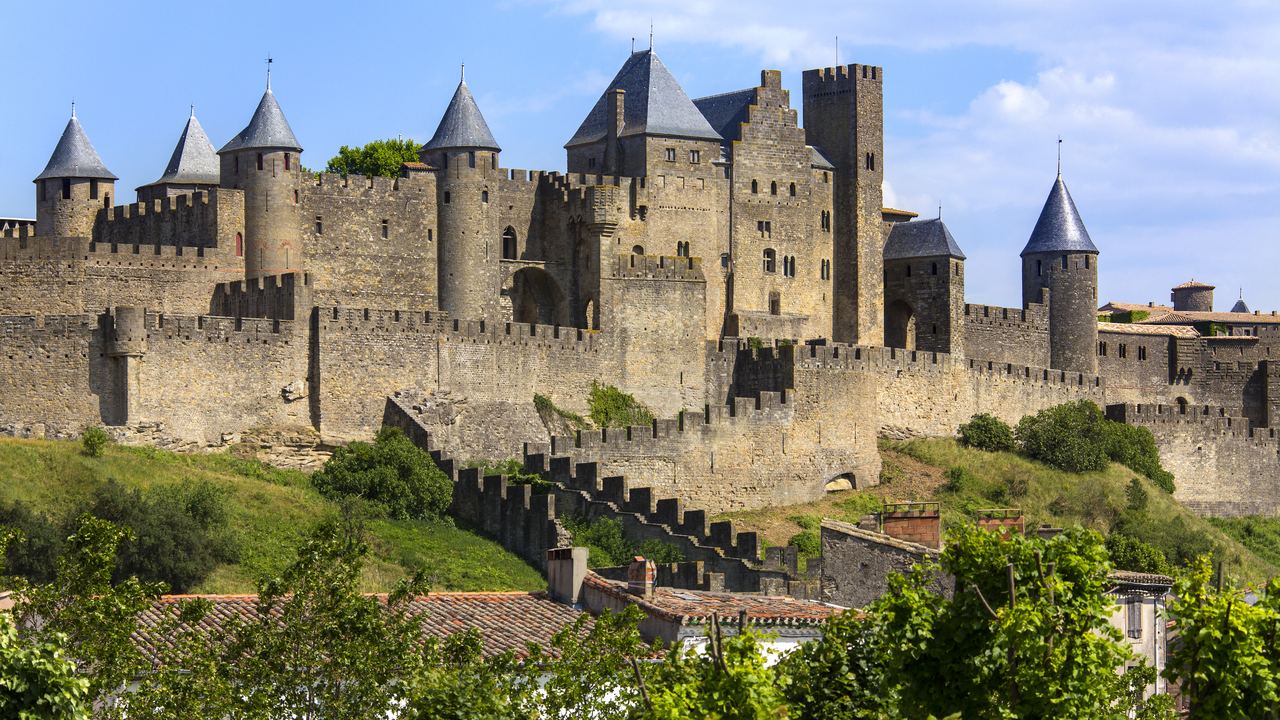
Castle words
The glossary, arranged around the ticket rather than the alphabet.
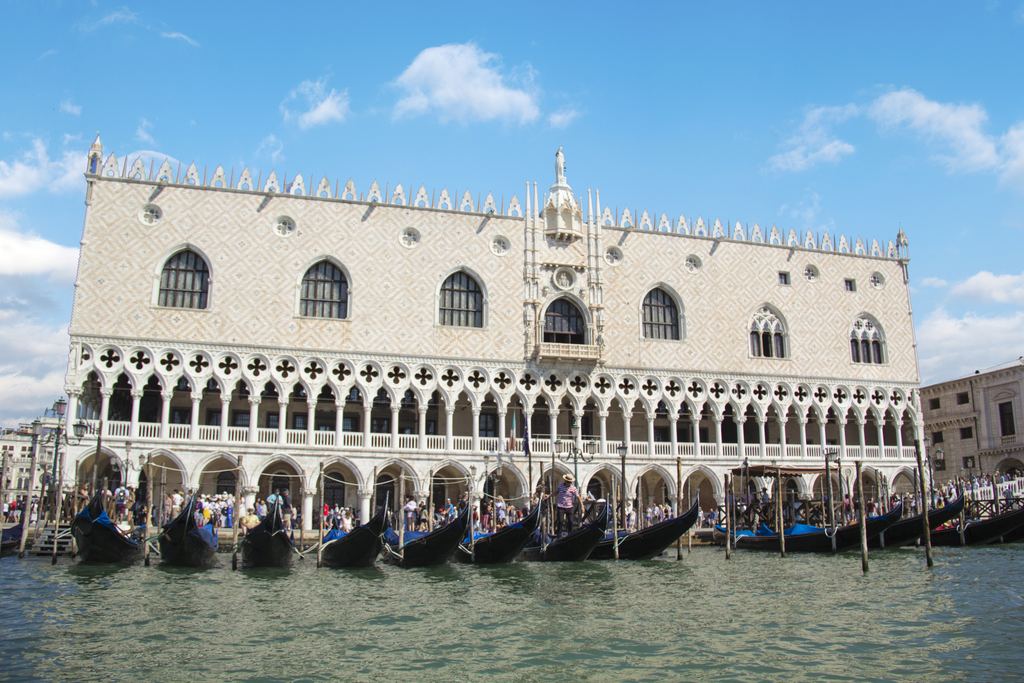
Castle, palace or fortress
The definition that divides them, and why it is not how military the building looks.

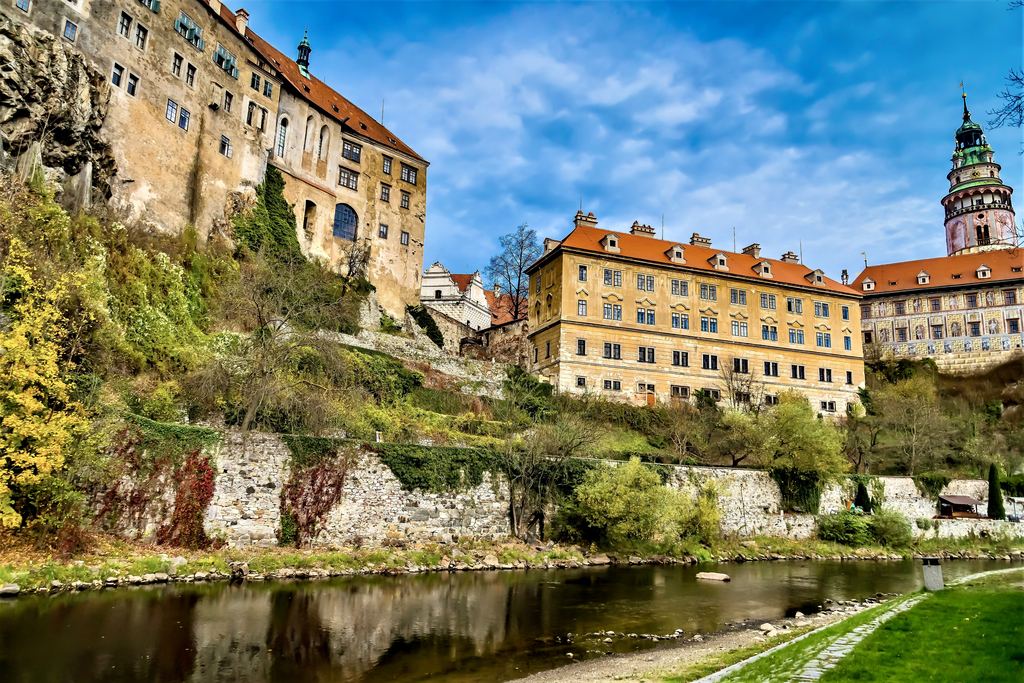
How a castle worked
Read from the gate inwards. The entrance is where the cleverness went.
Nine things everyone believes
Boiling oil, clockwise stairs, grey walls and crocodiles, checked against the sources.
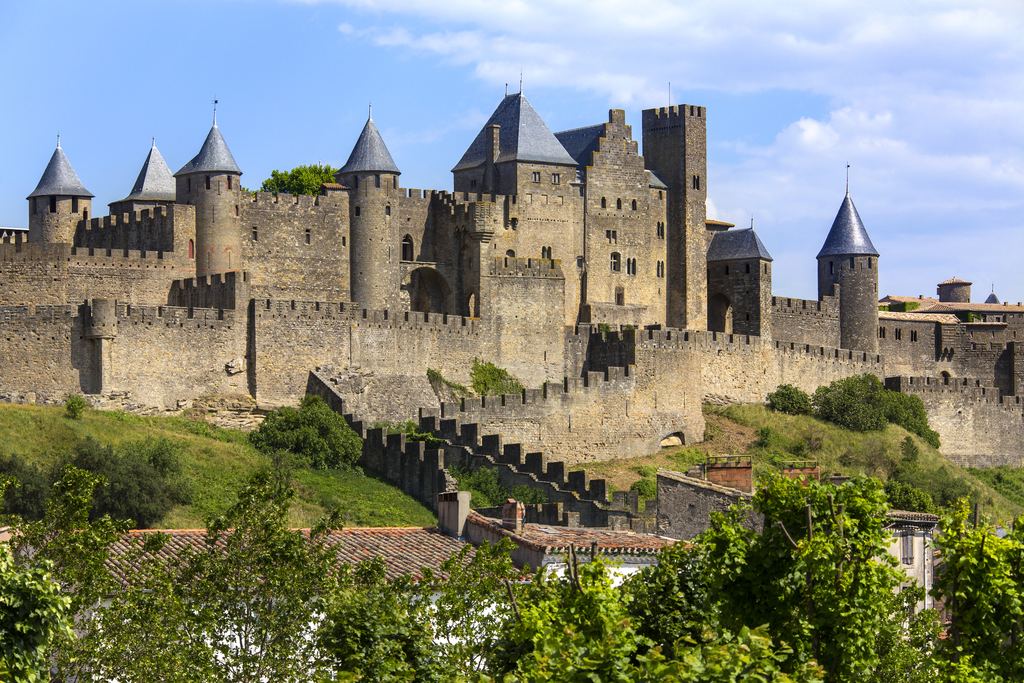
A thousand years in twelve dates
From a mound with a tower on it to a Bavarian building site.

Inside or outside
The dossier: ruin, reconstruction or furnished palace, monument by monument.
The definition, in one paragraph
The Getty Art and Architecture Thesaurus, which is the reference vocabulary museums and archives use, defines castles as buildings intended primarily to serve as a fortified residence of a prince or nobleman. The monument type thesaurus published by Historic England says it more briefly: a fortress and dwelling, usually medieval in origin.
Both carry two ideas at once, and both are necessary. Remove the fortification and it is a house. Remove the residence and it is a fort. The same thesaurus defines a fortress as a military position rather than a home, and files palaces on a completely different branch, under houses rather than under fortifications. Which means a palace is not a castle with the weapons taken off. It is a different kind of building from the root up.
That distinction does real work at the moment of booking, and it is the reason the first two pages of this section exist. A palace means rooms, a fixed route and, very often, a camera you will not be allowed to use. A castle means stairs. A fortress means a view and a coat.
Two things that are exactly backwards
Most castle myths are simply false. Two are more interesting than that, because the truth points in the opposite direction, and in both cases the correction comes from the body legally responsible for the buildings.
The moat. Historic England repeats the same paragraph across the scheduling entries of hundreds of individual sites: around six thousand moated sites are known in England, and most of them served as prestigious residences with the moat intended as a status symbol rather than a practical military defence. They peak between about 1250 and 1350, well after the age of serious castle warfare. The ditch was not primarily keeping anyone out. It was announcing who lived inside.
The colour. Cadw opens its own account of Conwy, one of the most formidable fortresses in Europe, with a flat contradiction of every photograph ever taken of it: this darkly forbidding fortress was originally white, and a thirteenth-century visitor would have seen gleaming white walls, heraldic banners and painted shutters. It invites you to look for surviving traces of lime render on the walls. UNESCO's description of Himeji, in Japan, singles out its white plastered earthen walls too. Two unrelated building traditions, the same answer.
Both findings say the same thing from different directions, and it is the argument that reorganised castle studies in the last few decades: these buildings were communicating status at least as hard as they were repelling armies. The surviving licences to crenellate point the same way, since most of the roughly 463 granted in England went to minor knights for modest houses.
What we do not claim
Three things are deliberately left unresolved in this section, because resolving them would mean choosing an answer nobody has published.
Whether cross-shaped arrow slits were specifically for crossbows. The tidy version circulates widely without a primary source, and English Heritage describes arrows and crossbow bolts being shot through the same openings.
How many so-called oubliettes are genuine. The Victorian appetite for dungeons is documented, by Historic Royal Palaces among others. The counter-claim, that most such pits were really cisterns or latrine shafts, is repeated by many popular sources and stated by no institution.
And the story that clothes were hung in the latrine so the ammonia would kill the fleas. Every version introduces itself with it is thought that, which is the grammar of something copied rather than found.
Saying so is not hedging. On a subject this thickly mythologised, the useful thing a reference page can do is mark where the evidence stops.
Why a catalogue writes this at all
Fair question, and the honest answer is that the vocabulary is commercially load-bearing. A visitor who knows that parapet walk means there is no interior, that Schloss means rooms and Burg means stairs, and that present appearance dates from means a restoration, will choose better and complain less.
It also keeps us honest. This site files Versailles, the Doge's Palace and the Forbidden City under castles, and none of them is a castle by any definition on these pages. They are here because they are the buildings people are choosing between, not because the definition stretches. Writing the definition down is the only way to say that out loud rather than quietly hoping nobody notices.
How to check a castle claim yourself
Everything on these pages was assembled from four kinds of source, all of them free and all of them open to anyone. If you want to check something here, or settle an argument that has nothing to do with us, this is the order to try them in.
The body that runs the monument, first and always. Not a reseller, not a microsite with the castle's name in the domain. The official pages are frequently dull, badly linked and buried under a ticket button, and they are also where the real information is: the opening rules, the access statement, the photography policy and, occasionally, an admission that the building is a reconstruction.
A terminology thesaurus, for anything about words. The Getty Art and Architecture Thesaurus gives definitions, hierarchies and translations for castles, fortresses, palaces and citadels. The monument type thesaurus published by Historic England gives the archaeological typology, with the narrower types listed under each term. Both are free to consult and neither is behind a login.
UNESCO, for the sites that are inscribed. The nomination descriptions are written to justify a listing, so they are careful, and they often contain a precise sentence you will find nowhere else. The description of Himeji is where the white plastered walls come from; the one for the castles of north Wales is where the working vocabulary of a castle gate is set out in a single line.
The statutory descriptions, for anything about the type as a whole. National heritage bodies attach a standard paragraph to each protected site, and because the same text is repeated across hundreds of entries it is written with unusual care. That is where the figure of around six thousand English moated sites comes from, and the striking claim attached to it about status.
Two habits worth borrowing
The first is to distrust a summary. Search results will confidently attribute a fact to an institution, complete with the institution's name, when the institution's own page does not contain it. This happened to us repeatedly while assembling these pages: a widely quoted number of steps at one castle, a walking time at another, both credited to bodies that have never published either. The only remedy is to open the page.
The second is to notice the grammar. When every version of a claim begins it is thought that or they are believed to have, and none of them names a document, an excavation or a study, you are looking at something that has been copied rather than found. The story about clothes and latrines is the clean example, and once you have seen the pattern you will find it everywhere in this subject.
Neither habit requires any expertise. They only require being willing to say nobody published this, which is a sentence the rest of the internet is remarkably reluctant to write.
Data verified on. Getty Art and Architecture Thesaurus, the Historic England monument type thesaurus, UNESCO, Cadw, English Heritage and Historic Royal Palaces. Where the evidence stops, these pages say so.