

Castles in Italy to Visit
63 listings across Venice, Florence and Rome, 70,619 reviews, and a median visit of 120 minutes, the shortest in this catalogue. Three cities, three passes, and not one of them crosses a city boundary.
Italy does not sell castles. It sells palaces, and they stand in the middle of towns: the Doge's Palace opens onto Piazza San Marco, Palazzo Vecchio onto Piazza della Signoria, Palazzo Medici Riccardi onto a street four minutes from the Duomo, Castel Sant'Angelo onto a bridge over the Tiber. Nobody drives anywhere. What that changes is the shape of the day. The median Italian listing on this site runs 120 minutes against 240 across the catalogue as a whole, 32 of the 63 finish inside two hours, and only two run to eight hours or more. The competition for your morning is not another castle an hour away. It is the Uffizi, the Accademia, St Mark's Basilica and the Vatican, all of them within walking distance and all of them selling the same two hours.
The cheapest Italian listing here costs 2.99 EUR and it is not a ticket to anything. It is a tip-based walking tour with a token booking fee, one of three under 10 EUR in this catalogue, and it happens to be the best rated Italian product we track: a 135-minute Renaissance and Medici walk carrying 13,884 reviews at a flat 5.0. Write from 2.99 EUR and you have described a genre, not a palace. The number that describes the Italian catalogue is the median with those three removed, 97.25 EUR, with the first quartile at 68 and the third at 161. Four listings run past 250 EUR, and the dearest of them, in Venice, is 498.
Three cities carry the whole of it. Florence is named by 30 of the 63 listings, Venice by 16 and Rome by 5; two more name a palace instead of a city, and the remaining ten name nowhere at all. They do not sell the same thing: Venice sells a bundle, Florence sells a walk, Rome sells a ticket. That comparison is what this page is for. One of the two big ticket platforms publishes exactly fourteen city-level castle categories in the whole world, and only one of them is Italian: Rome.
This catalogue splits Italy into Venice, Florence and Rome, with Florence opening again into Palazzo Medici Riccardi and Palazzo Pitti. Each of those pages does the mechanics of its own door: what the ticket includes, what it leaves out, which hour you are allowed in. Everything here is the part that only makes sense across all three, starting with the fact that nothing you buy in one of them is any use in the other two.
Choose a destination in Italy
-
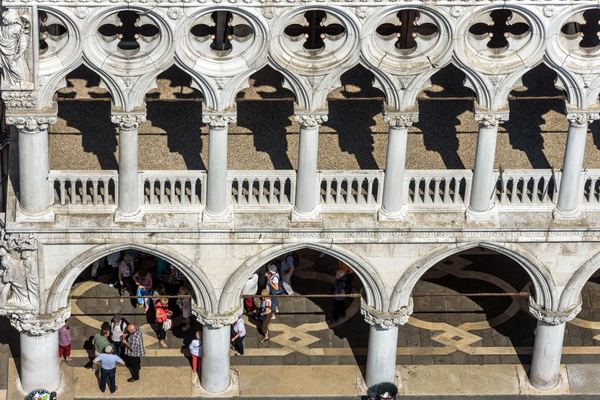
Venice
No ticket exists for the Doge's Palace alone: entry is a four-museum bundle with the Correr, the Archaeological Museum and the Marciana rooms, 35 EUR at the…
20 experiences -
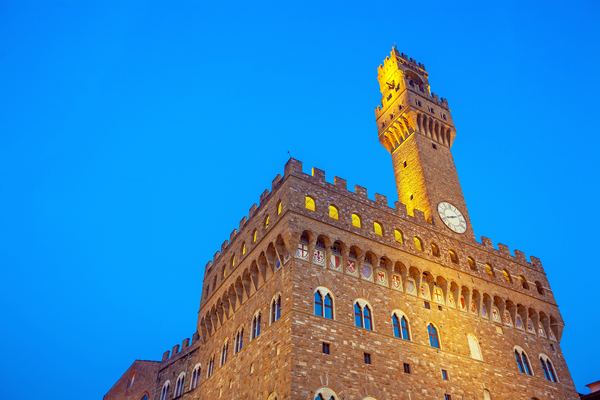
Florence
Three Medici palaces and a garden, and no two of them keep the same week: Pitti closes Mondays, Medici Riccardi Wednesdays, Palazzo Vecchio and its tower stop…
32 experiences in 2 destinations -
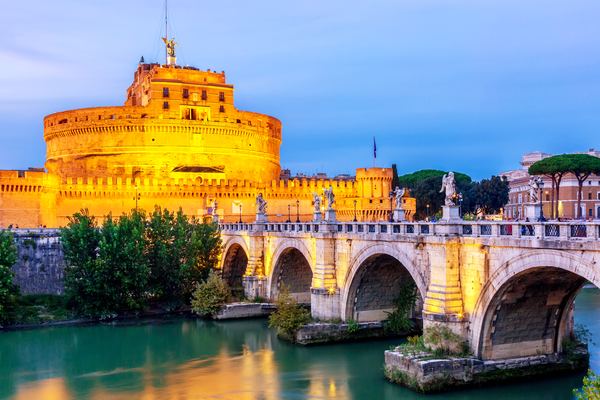
Rome
Castel Sant'Angelo was a tomb, then a fortress, then the pope's way out, and it now has the strictest door in this catalogue: 18 EUR, a ticket in your name…
11 experiences


Castles Experiences in Italy
A Group of Six at Most, Through the Basilica, the Gun Room and the Prisons
Six people is the hard ceiling, which is small enough to hear the guide indoors. The Gun Room, the Hall of the Great Council and the prisons are all in.
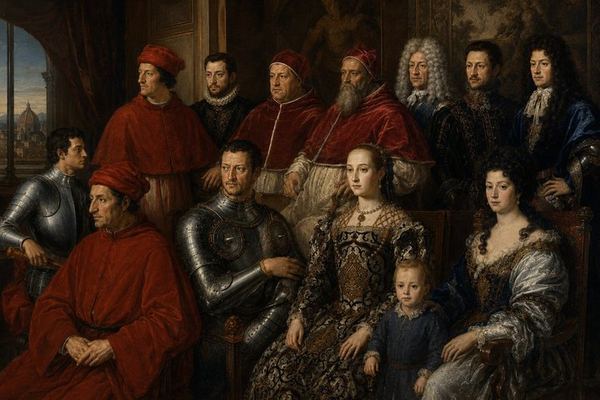
A Late Afternoon Read of Florence, Every Stop from the Street
Booked for late afternoon, when the heat drops and the museums empty. Every stop is explained from the outside, including the Vasari Corridor above the bridge.
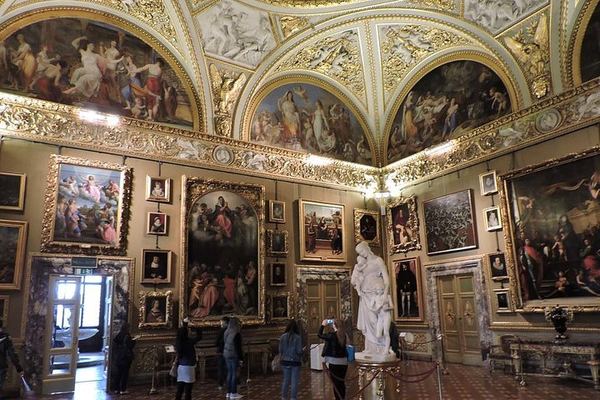
A Private Guide, the Palatina, and What Court Life Was Actually Like
A private visit to the Florentine royal palace, with the Titian, Raphael and Caravaggio the Medici collected, and the court stories that go with the rooms.
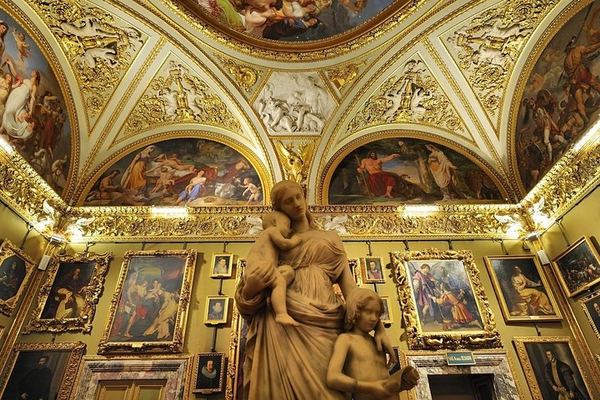
Both Medici Palaces in Four Private Hours, Tickets Not Included
Four private hours across both palaces the Medici lived in, starting at your hotel lobby. Read this bit: the entrance tickets are not in the price.
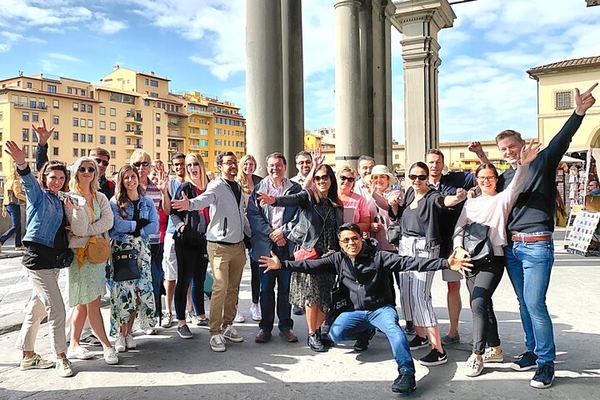
Florence Under the Green Umbrella, with the Leather Scams Explained
The Medici and the Renaissance from San Lorenzo to the Ponte Vecchio, plus the practical part: how the leather scams work, and where the gelato is real.
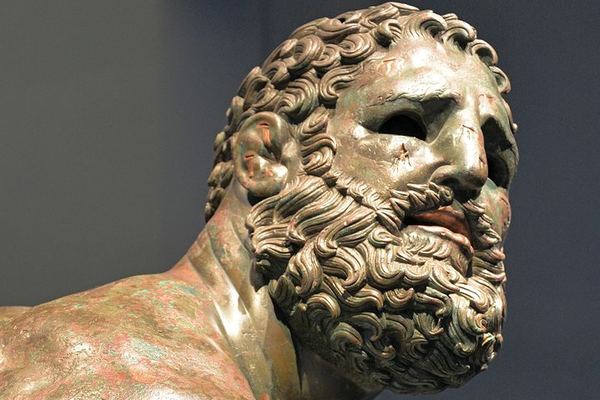
Livia's Painted Walls, the Boxer at Rest, and Baths for Three Thousand
Three hours with a guide holding a doctorate, from Livia's painted rooms and the Boxer at Rest to the bath Michelangelo turned into Santa Maria degli Angeli.
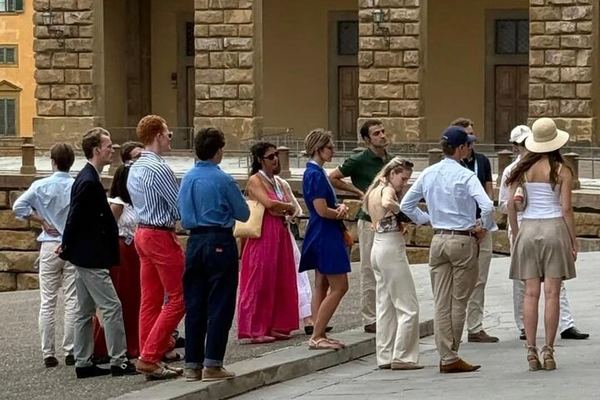
Meet by the Uffizi Exit, Finish Inside Pitti, Keep the Ticket All Day
A small group meets at an office by the Uffizi exit, walks in through the priority entrance, and leaves you inside with a ticket good for the rest of the day.
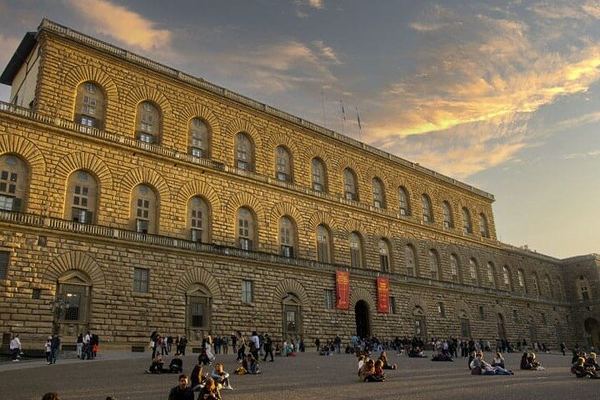
Priority Entry, Self-Guided, and Boboli Only If Your Option Has It
Reserved entry and no guide, so the pace is yours across the Palatina, the Royal Apartments and the fashion museum. Boboli depends on the option you pick.
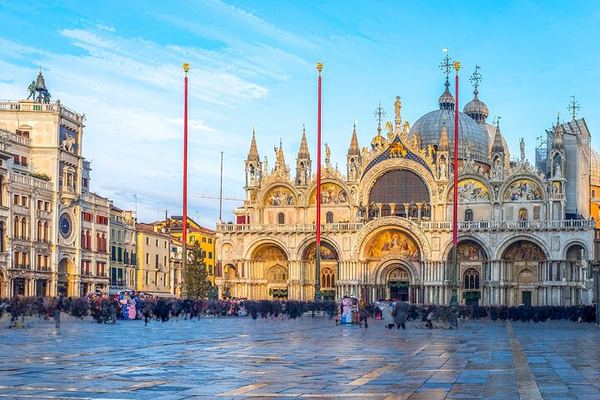
Private Guide at the Basilica, and Bring the Original of Your ID
Your own guide, your own pace, and one thing to get right: St Mark's asks for an original photo ID at the door, and photocopies are turned away.

Private Inside the Palace, Then Four Tuscan Wines You Pay For Yourself
The palace and the Chapel of the Magi with a guide of your own, then four Tuscan wines including Chianti Classico, which are optional and paid at the bar.
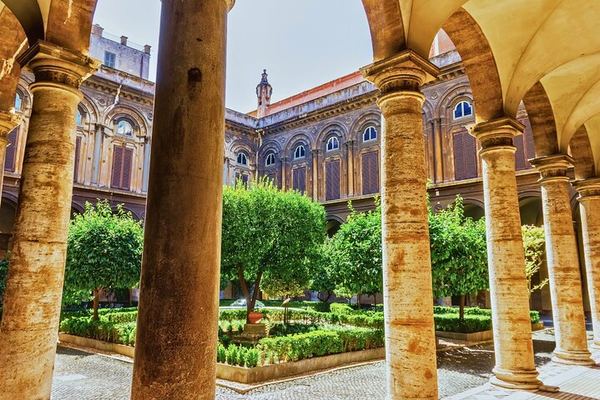
Six Hundred Paintings, an Art Historian, and Velázquez's Innocent X
Over 600 works from the Italian Renaissance to the French Romantics, read by an art historian, and the Velázquez portrait of the family's own pope among them.
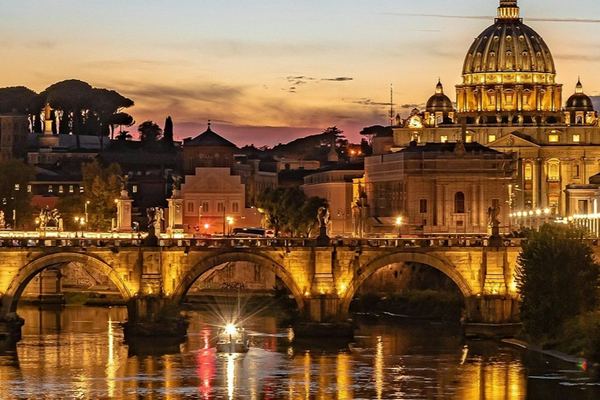
St Peter's, the Fortified Corridor Between, and the Papal Armoury
Three sites on one reserved entry: Michelangelo's dome and Pietà, the walled corridor with its arrow slits, and the papal rooms and armoury inside the castle.
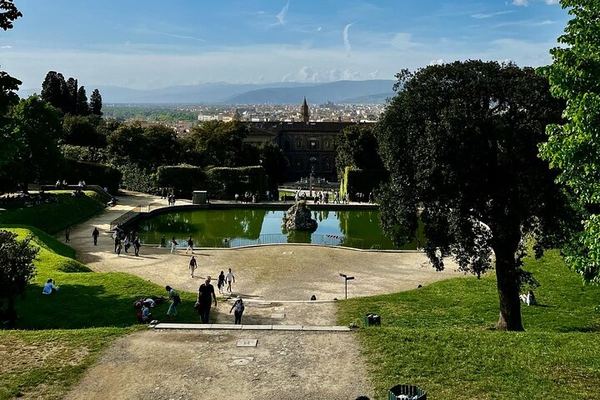
The Guide Does the Palace, the Eleven Acres of Boboli Are Yours Alone
The guided half covers the palace of 1458 and the Palatina; the garden you walk alone, 11 acres of it, up to the 360-degree view from its highest point.
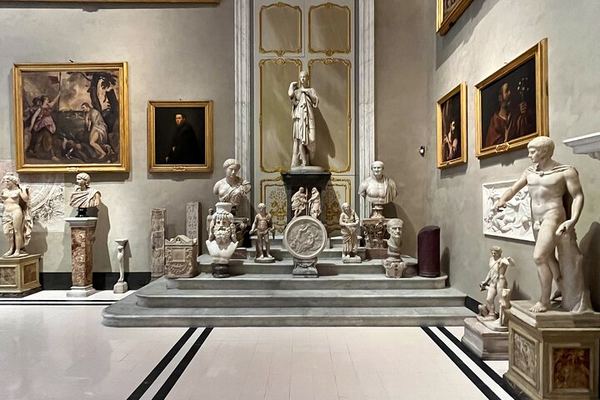
The Largest Private Collection in Rome, Still Owned by the Same Family
A private walk through the family chapel, the Saletta Gialla and Rossa and the Sala del Poussin, in a palace the Doria Pamphilj princes still run themselves.
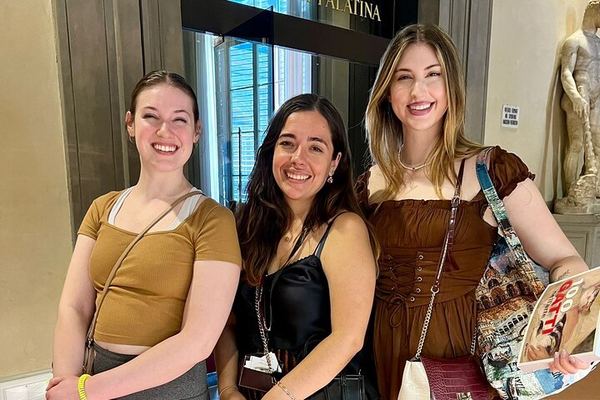
The Last Medici: Anna Maria Luisa, and Four Museums Under One Roof
The palace holds four museums, not one, and the story runs to Anna Maria Luisa, the last Medici. The Boboli ticket is handed over at the end for you alone.
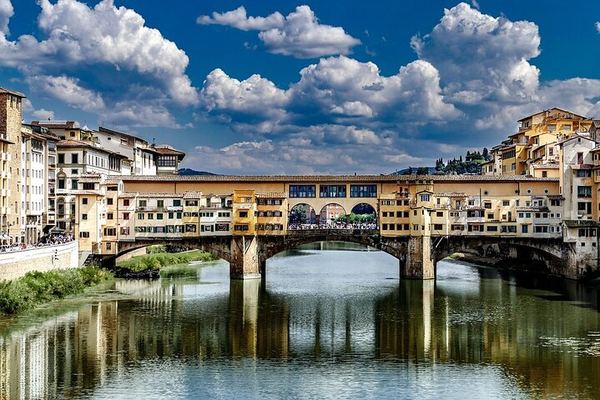
The Library That Announced the Medici Were No Longer Merchants
Fourteen stops including the Laurentian Library, built by a Medici pope to prove the family had stopped being bankers, and Michelangelo's New Sacristy.
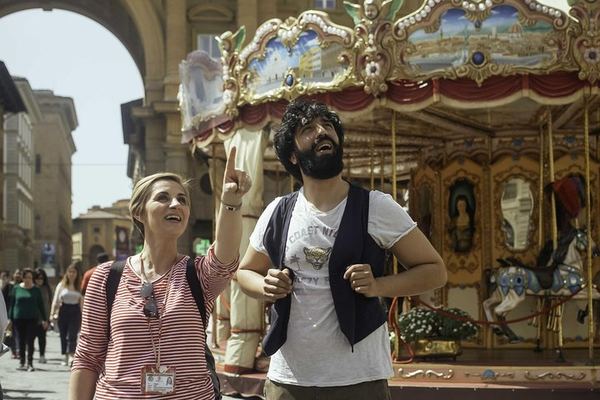
The Pazzi Plot, Savonarola's Pyre, and Bianca's House at the End
The host picks the route, so it varies, but it holds the Pazzi plot and the square where Savonarola burned, and ends at the house of Francesco's mistress.
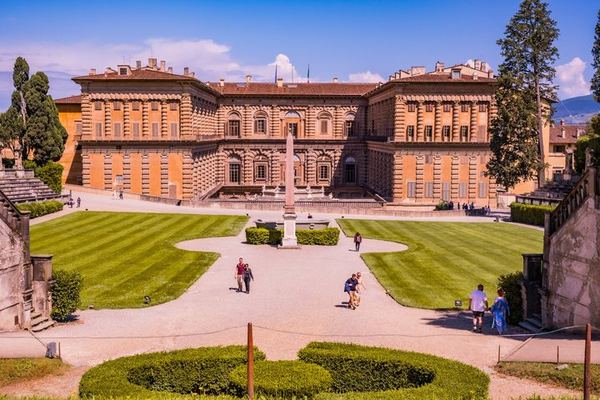
The Ticket Lasts 24 Hours, and Boboli Is What Versailles Copied
Two guided hours and then the ticket stays valid for 24, so you can come back. Boboli was the model for the European royal gardens, Versailles included.
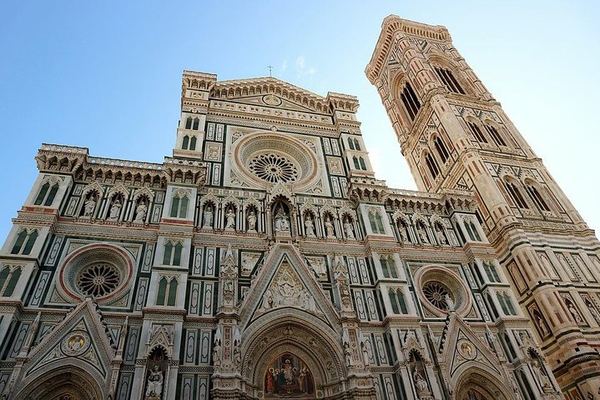
Three Centuries of Medici, from Their Tombs at San Lorenzo to Their Offices
Ten stops that run the family in order, from the San Lorenzo tombs to the Uffizi that Cosimo I built as magistrates' offices. Meet by the Giovanni statue.
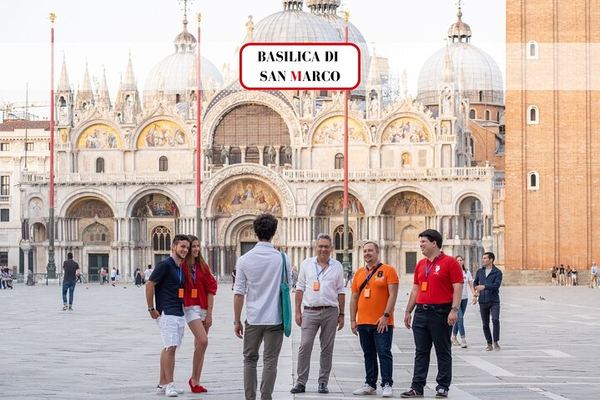
Bell Tower or Basilica Inside: the Choice This Tour Makes You Make
Read the options before booking: taking the 98-metre bell tower means seeing St Mark's from outside only. The VR gallery and the prisons are in either way.
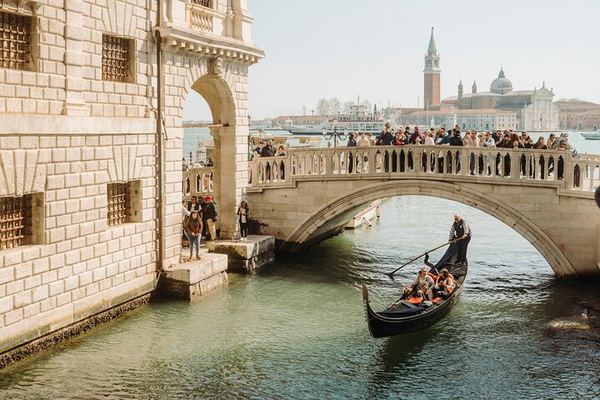
From the Rialto Fish Market to the Doge's Palace, Gondola of Five
Starts at the Rialto fish market rather than St Mark's, puts five people at most in the gondola, and takes the basilica's first floor for the mosaics.
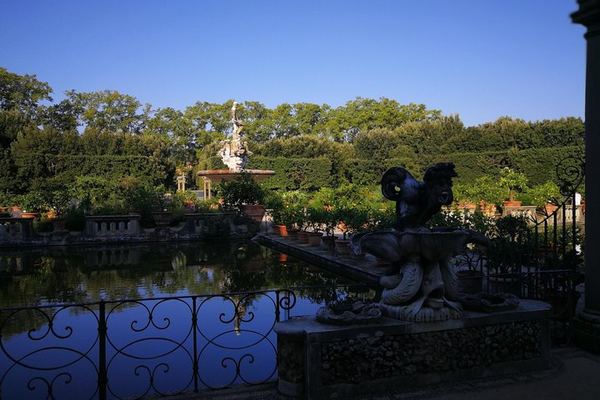
One Facade, Four Dynasties Inside: Pitti, Medici, Habsburg, Savoy
The outside has not changed in centuries while the rooms inside changed with every family that took it, from the Pitti to the Savoy. Palatina and Boboli both.
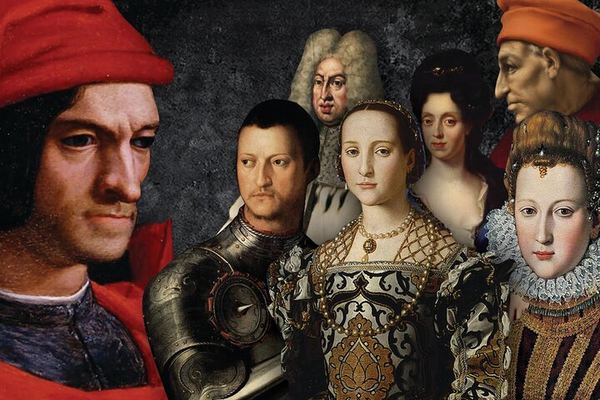
Private Medici Walk from the Magi Chapel Across the River to Boboli
A private licensed guide, from the Gozzoli frescoes in the Magi Chapel to the Pitti Palace and Boboli, crossing under the corridor built for them in 1565.
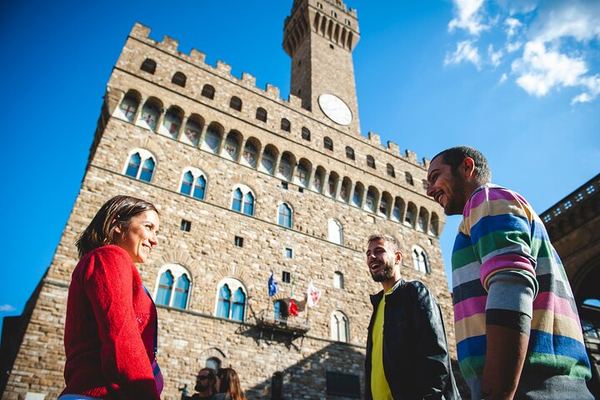
Two Hours from the Annunziata to Pitti, Including the Forgotten Medici
It starts at the Annunziata rather than San Lorenzo, covers the family members nobody remembers as well as the famous ones, and ends across the river at Pitti.
Ratings collected by Viator, Tripadvisor and Tiqets
There is no Italian heritage body, and no Italian pass
England has English Heritage, Scotland has Historic Environment Scotland, Bavaria has the Schlosserverwaltung and a card that opens forty of its sites. Italy has nothing of the kind for the buildings in this catalogue, because each of them answers to a different owner. The Doge's Palace belongs to the Fondazione Musei Civici di Venezia, a city foundation. Palazzo Pitti and the Boboli Garden are state property under the Gallerie degli Uffizi. Palazzo Medici Riccardi is the property of the Citta Metropolitana di Firenze, with the MUS.E foundation running the museum. The museum inside Palazzo Vecchio, the city's town hall, is run by the same foundation for the Musei Civici Fiorentini. Castel Sant'Angelo is a national museum under the Ministry of Culture and sells through CoopCulture.
Five buildings, four owners, and the only cards that exist are municipal. The Musei di Piazza San Marco ticket stops at the edge of St Mark's Square. The Firenze Card stops at Florence. Rome's own pass is not mentioned on any official page of Castel Sant'Angelo, and the pass's own website could not be read at all when we checked it, so we treat it as unverified, not as included. A traveller doing all three cities buys three separate things, and the arithmetic of a pass only works inside one of them.
| Venice | Florence | Rome | |
|---|---|---|---|
| Listings tracked | 20 | 32 | 11 |
| Reviews | 36,098 | 27,495 | 7,026 |
| Weighted rating | 4.65 | 4.937 | 4.495 |
| Median price here | 97.73 EUR | 99.00 EUR | 59.00 EUR |
| Adult ticket at the counter | 35 EUR, four museums together | 16 EUR Pitti, 18 Palazzo Vecchio, 15 Medici Riccardi | 18 EUR |
| Median length of a product | 180 min | 120 min | 150 min |
| Listings that declare a length | 17 of 20 | 32 of 32 | 5 of 11 |
| Free cancellation | 11 of 20 | 30 of 32 | 6 of 11 |
| City pass | 35 EUR compulsory bundle, or 50 EUR for six months | 85 EUR for 72 hours | Not confirmed on any official page |
| What the difference buys | A gondola and the basilica | A guide and the walk between palaces | A timed slot and an audio app |
Where the three cities part company
Venice is the expensive door and the long product. Its counter price is the highest of the three because it is not one museum but four sold together, and the median listing runs 180 minutes because almost everything here is a bundle with St Mark's Basilica, a gondola, or both. It also has the tightest price band in the Italian catalogue: first quartile 95 EUR, third quartile 129. Twenty listings and almost no spread.
Florence is the opposite. The door is cheap, between 15 and 18 EUR depending on which palace, and the median product is 99 EUR, which means the money is almost entirely the guide. Three quarters of the Florentine listings, 24 of 32, finish inside two hours, and 30 of 32 allow free cancellation, the highest rate in the Italian catalogue. It is the only Italian city here where you can change your mind the day before.
Rome is the thinnest and the strangest. Eleven listings, six of which do not declare a duration at all, because a ticket has no closing time, and a median of 59 EUR sitting under a third quartile of 200 because four of the eleven are private guided visits to palace galleries. Rome also carries the lowest weighted rating of the three, 4.495, and the worst rated Italian product we track: a 50 EUR combined Castel Sant'Angelo and Pantheon ticket at 4.0 across 124 reviews.

Florence has the catalogue, Rome has the ticket
Thirty of the 63 Italian listings name Florence, and none of them sits on the Florence page itself: all 32 in the Florentine tree hang off the two palace pages, 16 on Palazzo Medici Riccardi and 16 on Palazzo Pitti. That is a real split, not a filing accident. The Medici Riccardi set is made of city walking tours that happen to go in, the Pitti set is made of gallery visits that stay in one building.
Rome behaves like a different business again. Six of its eleven listings are entry tickets from a single supplier, four are private tours of picture galleries in other palaces, and the whole city carries 7,026 reviews against Venice's 36,098. If you are choosing where to spend an Italian palace day, Florence has the choice, Venice has the volume, and Rome has the shortest queue of decisions to make.
What the gap between 18 EUR and 97 EUR actually buys
An adult ticket costs 15 EUR at Palazzo Medici Riccardi in high season, 16 at Palazzo Pitti, 18 at the Palazzo Vecchio museum, 18 at Castel Sant'Angelo, 35 in Venice for the four museums you have to take together. The median product in this catalogue is 97.25 EUR. Nobody should pretend that difference is access, and none of these palaces has a queue that a reseller can jump on your behalf. What the difference buys is a person, and in Venice a boat.
That is not an argument against booking one. It is an argument for knowing which of the two things you are buying. Seven of the 63 Italian listings are plain tickets or entries lasting under two hours, and they sit near the counter price. Thirteen are private tours. Four are small group. The rest are guided walks whose content is a route between buildings, and the middle half of the whole Italian set sits between 68 and 161 EUR. In Italy the guide is not there to get you in. The guide is the product.

The season moves the closing time, not the opening
How much daylight each city gives you
Nothing in the Italian catalogue shuts for the winter, which is unusual on this site. What moves is how late you can still get in, and in one case the price on the door.
| Month | 1 | 2 | 3 | 4 | 5 | 6 | 7 | 8 | 9 | 10 | 11 | 12 |
|---|---|---|---|---|---|---|---|---|---|---|---|---|
| VeniceThe only Italian palace in this catalogue that opens at night: on Fridays and Saturdays between 1 May and 26 September 2026 it runs to 23:00. In winter it shuts at 18:00, an hour and a half earlier than Rome, which never changes at all. | 1 | 2 | 3 | 4 | 5 | 6 | 7 | 8 | 9 | 10 | 11 | 12 |
| FlorenceOnly the garden moves with the year here, and it moves by almost three hours between midwinter and midsummer. The palaces themselves keep identical hours in every month, which is why a Florentine plan turns on the day of the week and not on the season. | 1 | 2 | 3 | 4 | 5 | 6 | 7 | 8 | 9 | 10 | 11 | 12 |
| RomeNothing seasonal here at all. Castel Sant'Angelo opens 9:00 to 19:30 every day except Monday, all year, with last admission at 18:30. In Rome the calendar that decides your visit is the week, not the month. | 1 | 2 | 3 | 4 | 5 | 6 | 7 | 8 | 9 | 10 | 11 | 12 |
Opening hours from each monument's own page, read 2026-09-05. All three cities close on 25 December and, with one exception in Florence, on 1 January.
One price does move with the season, and the boundary is odd enough to catch people out. Palazzo Medici Riccardi charges a third less for the identical ticket in winter, and the changeover falls on the turn of the month: arrive on the first and it is 15 EUR, arrive the next morning and it is 10. Everywhere else in the Italian catalogue winter costs the same as summer and simply ends earlier in the afternoon.
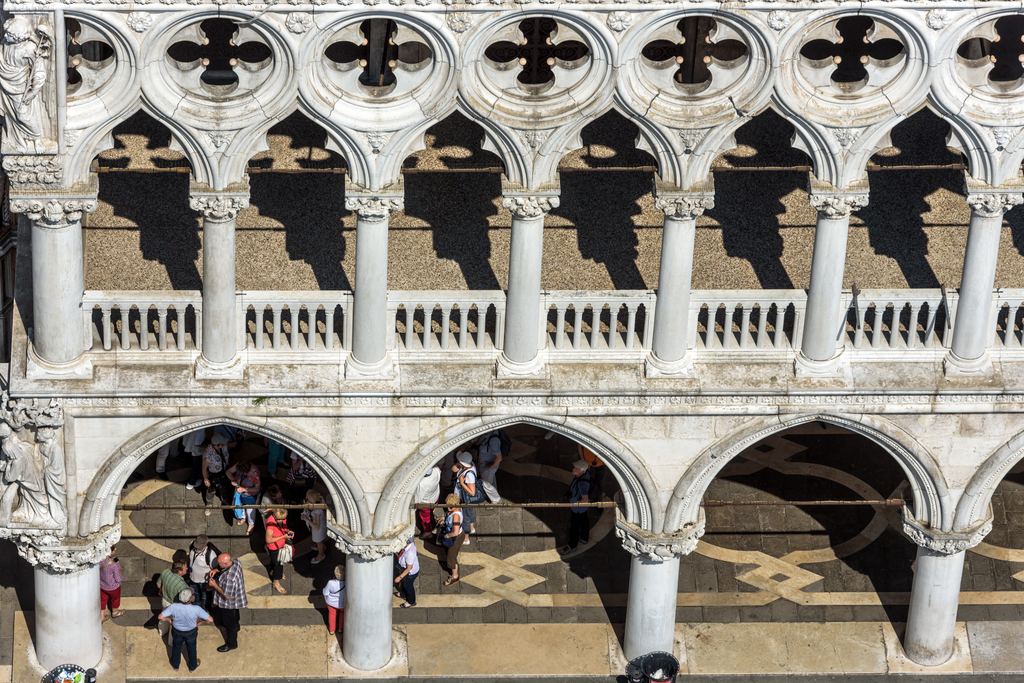
Nobody picks you up in Italy
Not one of the 63 Italian listings includes a hotel pickup. That single zero explains the country better than any adjective: there is nowhere to be driven to, because the palace is at the end of a street you were walking down anyway. Meeting points here are squares, church steps and a bridge, and the transport question that dominates a castle day elsewhere does not exist.
The supply reflects it too. Viator carries 51 of the Italian listings, Tiqets 10 and Civitatis 2, and the Tiqets share is concentrated in Rome and Venice, where the product being sold really is an entry ticket. Seven listings put skip the line in the title. Twelve carry the flag. Given that none of these five buildings runs a priority lane the way a cathedral or an arena does, that phrase is doing less work here than it appears to.
Two palaces and a museum is the honest shape of an Italian day
Half the Italian catalogue finishes inside two hours, so the arithmetic looks generous: three palaces in a day, easily. In practice the ceiling is lower, and it is not distance that sets it. Two of the five buildings close one weekday each, a third closes at two in the afternoon on Thursdays, and the ticket offices shut an hour before the buildings do, which quietly removes the last hour of every plan. Add a gallery that everyone also wants to see, the Uffizi in Florence or the Vatican in Rome, and the day has two slots in it, not three.
The order matters more than the count. In Venice the four museums come as one ticket and one of them, the Correr, is on the far side of the square from the palace, so the sensible move is to treat the whole square as the visit rather than as a stop. In Florence the two palaces on this site sit on opposite banks of the Arno, and the third building, Palazzo Vecchio, is between them. In Rome the castle is a single site with a rampart walk on top of it and no second building attached. One city gives you a bundle, one gives you a walk, one gives you a building.
What travellers ask before booking an Italian palace
What does it cost to get into an Italian palace?
Between 10 and 35 EUR at the door, depending on which one. The Boboli Garden alone is 10 EUR at the counter, Palazzo Medici Riccardi is 10 or 15 depending on the month, Palazzo Pitti is 16, the Palazzo Vecchio museum and Castel Sant'Angelo are both 18, and Venice is 35 because the Doge's Palace cannot be bought on its own. The median listing in this catalogue is 97.25 EUR, and the distance between those two numbers is a guide.
Is there one pass for all of them?
No, and there is no national body to issue one. The three passes that exist are municipal: the 35 EUR Musei di Piazza San Marco ticket in Venice, or the 50 EUR MUVE pass that covers twelve civic museums there for six months; the 85 EUR Firenze Card, valid 72 hours from first use; and in Rome a city pass that the monument's own pages never mention. Only the Florentine card covers more than one building in this catalogue.
Which day of the week works best?
Tuesday, Friday, Saturday and Sunday. On those four days every building in this catalogue is open for a full day. Monday closes both Castel Sant'Angelo and the Palazzo Pitti museums, Wednesday closes Palazzo Medici Riccardi, and Thursday shuts Palazzo Vecchio and its tower at 14:00. The Boboli Garden is the exception to Monday, since it takes off only the first and the last of the month, which leaves an ordinary Florentine Monday with an open garden behind a shut palace.
How long does an Italian palace take?
The catalogue says 120 minutes at the median, which is half the site-wide figure of 240, and 32 of the 63 listings come in at two hours or less. Venice is the exception at 180 minutes, because its products are bundles, not visits. None of the five monuments publishes a recommended visit length of its own, which is worth knowing before trusting a number you read anywhere else.
Can I cancel if plans change?
On 47 of the 63 listings here, yes, though that is below the 84 percent free-cancellation rate across this site and the rate collapses in Venice, where only 11 of 20 allow it. The monuments themselves are stricter than the resellers. Venice sells a ticket that cannot be given back once bought, short of the museum cancelling, and Castel Sant'Angelo lets you change the name on a ticket once, up to midnight the night before, because that ticket is issued in a person's name.
Which Italian listing is rated best, and does it mean anything?
The highest is a 2.99 EUR tipped walking tour in Florence at a flat 5.0 across 13,884 reviews, and the lowest with a real sample is a 50 EUR Roman combined ticket at 4.0 across 124. The gap is not one place being nicer than another. It is two different products with two different promises, and the Florentine walk carries so many reviews that it pulls the whole country's weighted rating, 4.746, up towards its own.
Data verified on. Ticket prices, hours and closing days from the official pages of MUVE, the Gallerie degli Uffizi, MUS.E and the Ministry of Culture. Catalogue figures from the 63 Italian listings here.