
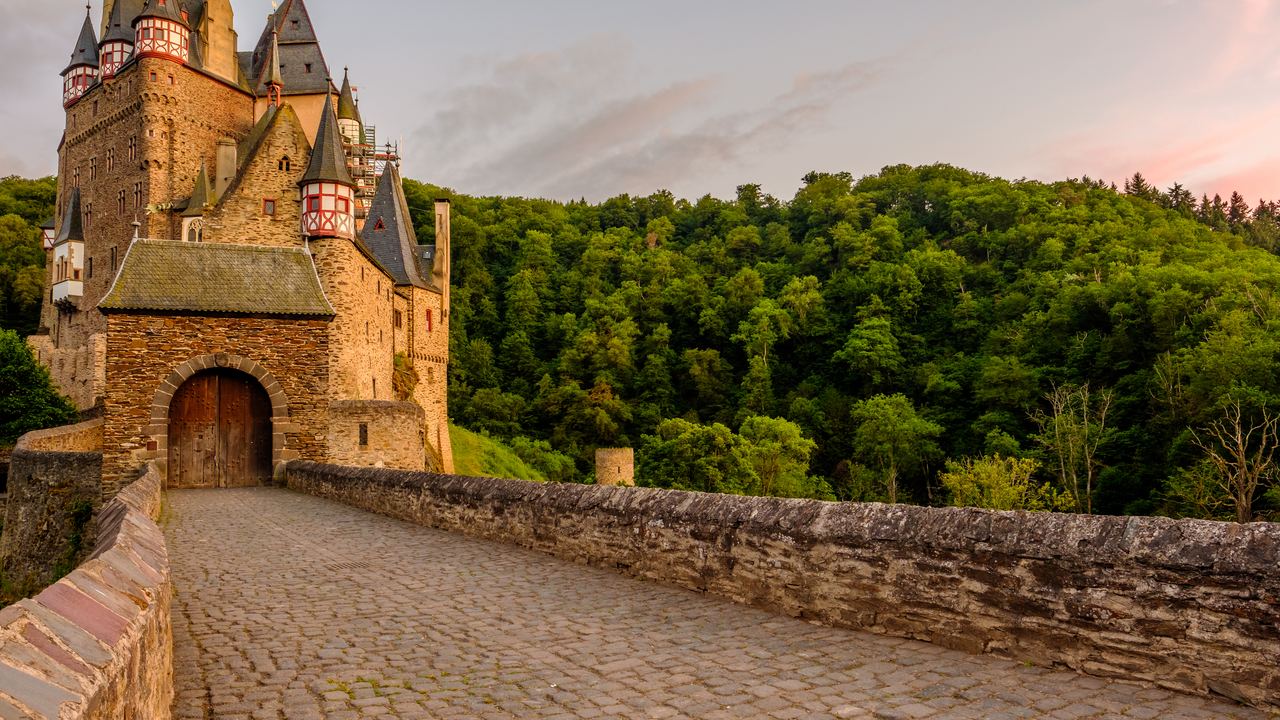
Castles are unusually easy to get wrong, and the reasons are always the same handful. The opening hours are shorter in winter than the website suggests. The ticket office shuts before the gate does. The famous interior turns out to be a field with walls round it. And the second castle of the day, which looked like an extra ninety minutes, quietly costs three hours.
None of that is hidden. Almost all of it is published by the body that runs the monument, on a page nothing links to. These nine guides collect what those pages say, in the order the questions actually arrive.
The nine guides
Written from the official pages of around twenty monuments, plus the product data behind the tours listed on this site.

How long a castle takes
And how many fit in a day. The market itself sells one.
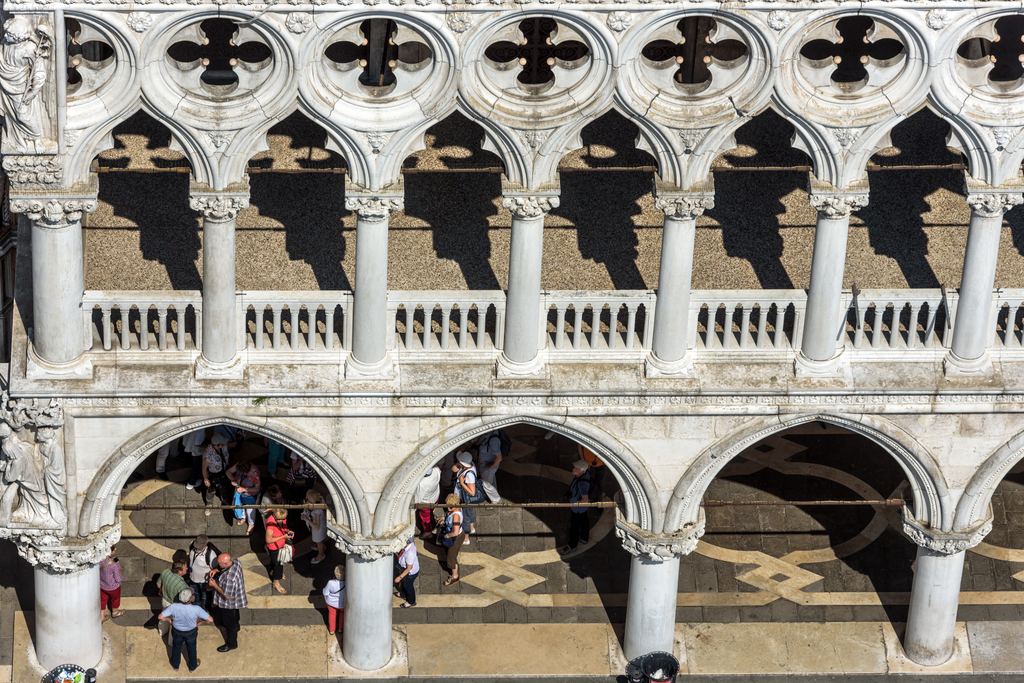
Choosing a castle tour
Guided, audio, alone or private, and which castle if you only get one.

Tickets and time slots
Which castles sell out, and the pass that covers the fee but not the hour.

What it actually costs
The entry fee is the small part. Where the rest of the money goes.
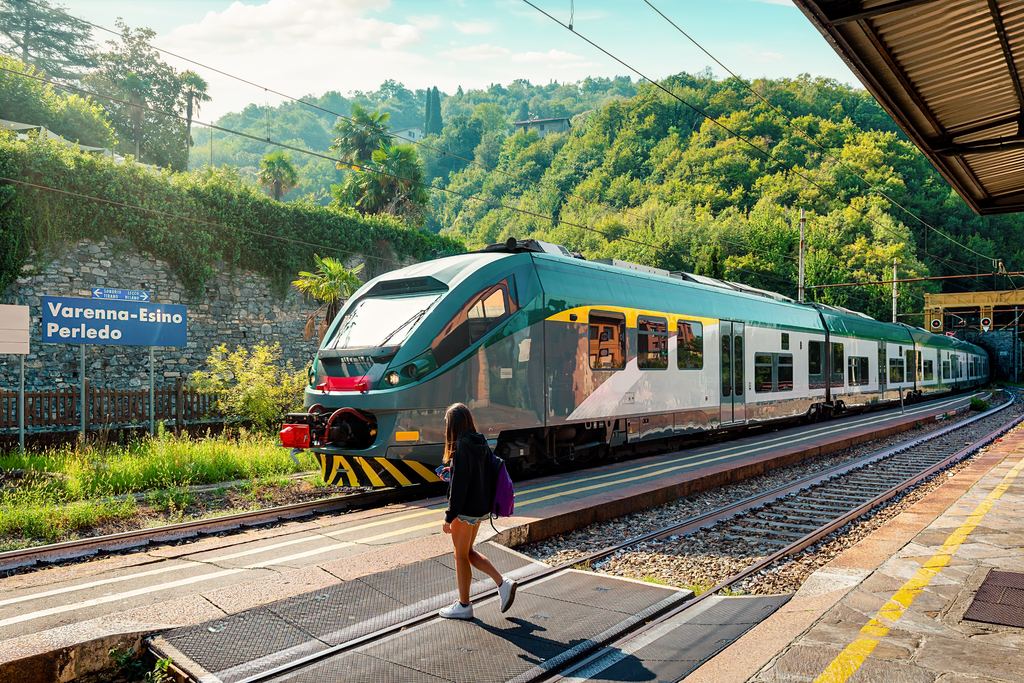
Castles by train
Twenty-four monuments, the station, and the walk nobody counts.

When to go
Opening seasons, thirty-year climate normals and the hour the light runs out.

Stairs and slopes
What the monuments declare about their own steps, gradients and access.
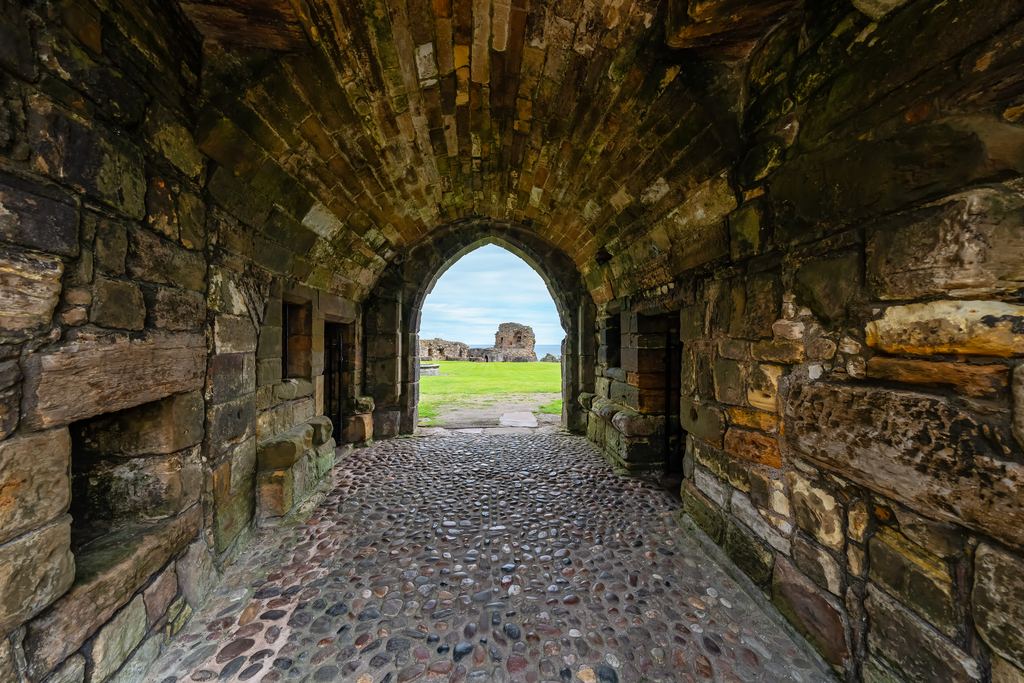
What to bring
Bag sizes in centimetres, four photography regimes, and the shoes.

Questions, answered
Twenty-four short answers, including the one about Dracula.
The four questions that decide a castle day
If you read nothing else in this section, these are the four things worth thirty seconds each on the monument's own website before you book.
Does it have an interior? A great many famous castles do not. Look for the words ruins, remains or parapet walk, which mean walls and sky, against state rooms or state apartments, which mean a furnished route. This one distinction predicts more about your day than anything else, including the price.
Is entry timed? If an hour is printed on the ticket it will be enforced, and a missed slot is usually forfeited with no refund and no later group. A timed monument becomes the fixed point of the day and everything else has to be arranged around it.
How does the last mile work? The train or the road is rarely the difficult part. The walk, the shuttle or the hill at the far end is, and it applies twice because you have to come back.
What closes first? Not the castle. The ticket office, typically thirty to sixty minutes earlier and sometimes by two hours. Work backwards from that, not from the closing time.
How these pages were built
Two kinds of source, kept separate on purpose.
The first is the organisation that runs the monument: Historic Environment Scotland, the Royal Collection Trust, Historic Royal Palaces, Parques de Sintra, the Bavarian palace administration, the Alhambra's Patronato, Cadw, Historic England and around a dozen more. Where one of them publishes a figure, that figure is what appears here, with the date it was read. Where a page was checked and said nothing, these pages say not published rather than borrowing a number from somewhere else. That distinction matters more than it sounds: several widely repeated castle statistics turn out to be attributed to institutions that have never published them.
The second is the product data behind the tours listed on this site, which carries information the listings themselves do not display: the stops on each itinerary, whether admission is included at each one, group caps, cancellation terms, guide languages and the age at which a child becomes an adult. Those are described here in proportions rather than counts, deliberately. A count is out of date the next time the catalogue syncs; a proportion holds.
What is not here is anything that needs updating every season. No opening-hours tables, no price lists beyond one or two worked examples, no best months based on somebody's holiday. The weather data is the standard 1991 to 2020 climate normals, which do not change until the next thirty-year block; the daylight figures are calculated and do not change at all.
Where to start, depending on the trip
The nine pages do not need reading in order. Three short routes through them cover most situations.
Planning a day out from a city. Start with castles by train, because it will settle whether the trip is two hours or five. Then how long a castle takes to work out whether a second one fits.
Choosing between monuments. Start with what a ticket actually opens, which sorts the candidates into ruins, reconstructions and furnished interiors faster than any ranked list. Then choosing a castle tour for the format.
Travelling with someone who cannot climb. Go straight to stairs and slopes. It is the page with the most quoting and the least interpretation, because on this subject the exact words the monument uses are what you need.
One thing worth knowing before any of it
At almost every castle in this catalogue, the outside is free, needs no booking and never sells out. The paths and the bridge at Neuschwanstein, the view of the Alhambra from across the valley, the shore below Urquhart: none of them costs anything, and between them they account for a striking share of the photographs people bring home.
Which means the worst case at a castle is better than the worst case almost anywhere else in travel. A sold-out day, a missed slot or a closed interior still leaves you with the thing you came to look at. Plan for the interior, and treat losing it as an inconvenience rather than a ruined day.
The five ways a castle day goes wrong
If you would rather navigate by problem than by page, these are the five failures that account for almost all of them, in rough order of how often they happen.
One castle too many. The commonest by a distance, and the one travel forums are full of. A second monument costs its visit time plus about two hours, because of the transfer, the walk at both ends and the fact that lunch will not be where you want it. A third generally does not exist outside a single city.
Arriving after the counter shut. Closing time is when the last visitor leaves, not when the last one arrives. Last admission is typically thirty to sixty minutes earlier and at one monument in this catalogue it is two hours. Work backwards from the ticket office, never from the gate.
Expecting rooms and finding a field. A great many famous castles are consolidated ruins, and a few are wall walks with no interior at all beyond a shop. This is nobody's fault and it is entirely avoidable in thirty seconds on the monument's own website.
Losing the afternoon to the last mile. The train is rarely the problem. The walk, the shuttle or the hill at the far end is, and it applies twice. Thirty-five minutes on foot from the station is not unusual, and it is almost never in the journey planner's estimate.
Being turned away at the door. Almost always a bag. One palace here refuses anything over 45 by 20 by 30 centimetres and has no cloakroom at all; another has no bag storage of any kind and will not admit wheeled luggage. Nothing about this is negotiable once you are in the queue.
What we could not find out
A short list, because the gaps are informative and because leaving them out would make this section look more complete than it is.
Step counts. One monument in this whole catalogue publishes how many steps it has, and it does so in an accessibility document rather than a fact sheet. Numbers circulate for several others, they agree with each other, and none of them appears on the official site.
The train time to Versailles. Probably the single most searched journey in the subject. The palace publishes the walking time from three different stations and no train time from any of them, and no official French source we tried filled the gap. The cell in our table is empty on purpose.
Stirling Castle by rail, at all. Both the railway operator and the Scottish heritage body refuse automated access to their pages, so the row is missing rather than invented.
In each case we would rather publish a hole than a plausible number. Several widely repeated castle statistics turn out, when you check, to be attributed to institutions that have never published them, and that is the failure mode this whole section is built to avoid.
Data verified on. Every figure in this section comes either from the body that runs the monument or from the product data behind the listings here. Where nothing is published, these pages say so.