
Castles in Spain to Visit
92 listings across Granada, Seville and Madrid, 106,959 reviews, three managing bodies whose rules do not transfer. The median here is 62 EUR; the counters charge 14 to 24.
Spain sells its castles through three separate public bodies, and a rule that holds at one of them is worth nothing at the next. The Alhambra answers to the Patronato de la Alhambra y Generalife, an Andalusian public body that prints your name on the ticket and scans your identity document at the gate. The Royal Palace of Madrid and El Escorial belong to Patrimonio Nacional, which gives away free afternoons but only over the counter, and gives the two sites different days for it. The Real Alcazar of Seville belongs to the city, which lets anyone born there walk in free and folds three municipal museums into a 15.50 EUR entry without advertising it. This catalogue tracks 92 listings across those three cities, and most of what they sell is not access. It is a half hour, a guide, or a coach.
The cheapest listing on the Spanish side of this catalogue costs 1.99 EUR, and it is not a ticket to anything. It is a tip-based walking tour with a token booking fee, one of three listings here priced under 10 EUR, and one of those three is the best rated product in the whole Spanish catalogue: a 2.99 EUR walk through old Madrid that passes the palace, with 7,436 reviews and a flat 5.0. Write from 1.99 EUR and you have described a genre, not a castle. The number that describes this catalogue is the median, and it is 62 EUR with those three taken out, 60.50 with them left in. The first quartile sits at 39 EUR, the third at 120.60, and five listings run past 250 because they are private tours with a car and a driver. Set that against the counters: 22.27 EUR for the Alhambra's general daytime ticket, 15.50 for the Real Alcazar, 24 for the Royal Palace of Madrid, 14 for El Escorial. The distance between those numbers and 62 is not a markup on the door price. It is a guide, and in Granada it is somebody else having secured the half hour before you thought to look.
Granada holds 37 of the listings and Seville 20, both built around one monument each. Madrid holds 35 and splits them between a palace in the middle of the city and a monastery out in the sierra, which is why its products last longest. The three cities behave differently enough to be worth comparing before anything is booked.
Choose a destination in Spain
-
Granada
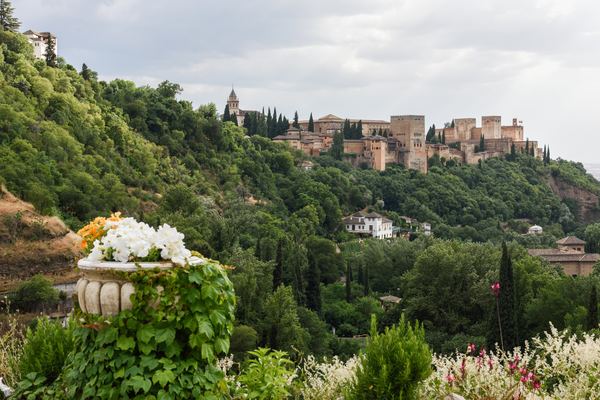
One hill, three separate walks, and a climb nobody sells you: 37 listings meet in Granada, two of them already up on the Paseo del Generalife, and not one of…
37 experiences in 2 destinations -
Seville
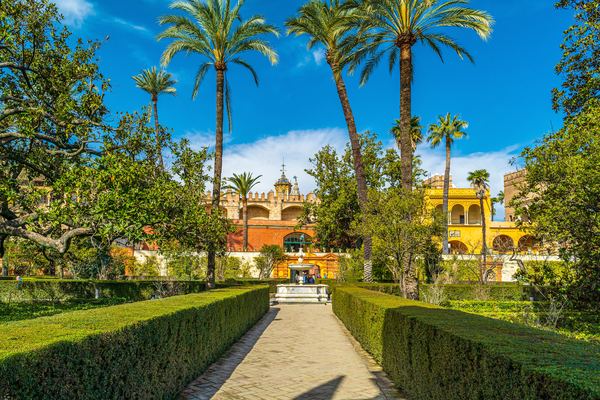
A Mudejar palace in the old town whose 15.50 EUR entry quietly opens three municipal museums as well.
20 experiences -
Madrid
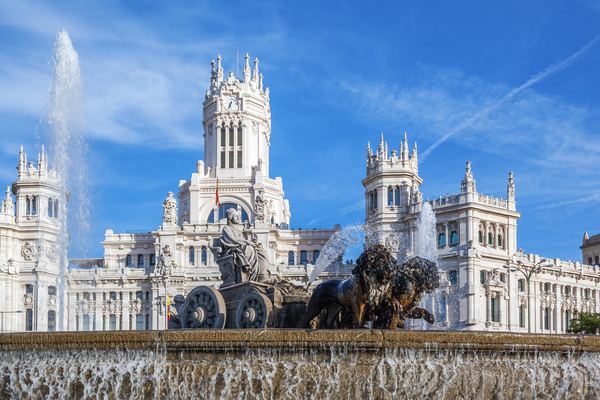
Two royal sites, one national body, opposite weekly rhythms: El Escorial shuts every Monday, the palace shuts at 16:00 every Sunday, and the only day both…
35 experiences in 2 destinations


Castles Experiences in Spain
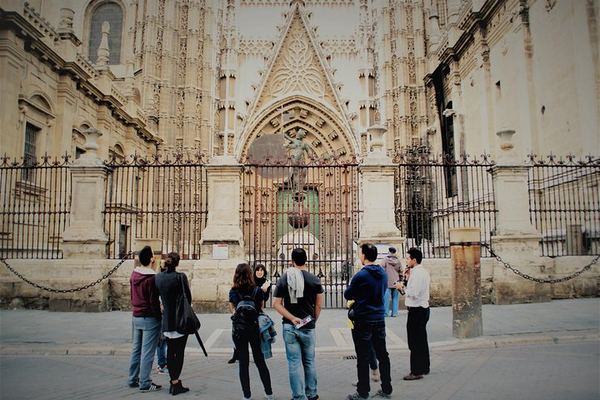
Alcázar, Cathedral and Giralda for Nine, with the Ramp Climb
Three hours, nine guests at most, and an official local guide, from the Plaza del Triunfo through both monuments and up the ramps of the Giralda.
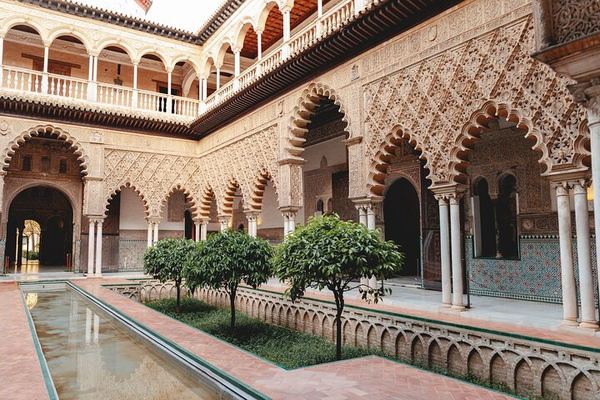
Alcázar of Seville an Hour Before It Opens, Empty Palace
The group goes in an hour ahead of the public, so the Mudéjar rooms are empty, then walks the seven hectares of gardens where the peacocks live.
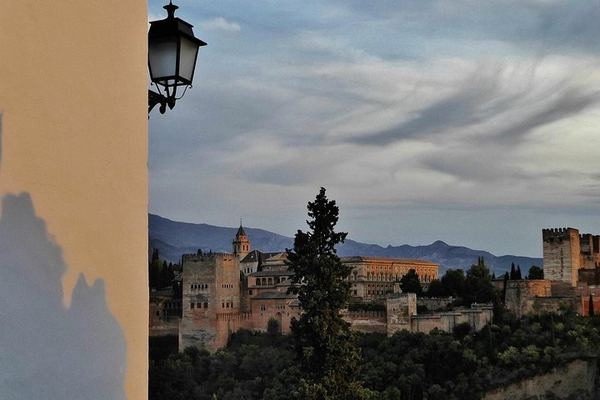
Alhambra at Ten, Albaicín at Five: Two Halves and the Sunset
Two visits in one booking: the Generalife and Alcazaba in the morning, the Albaicín and Sacromonte from 5pm, timed to reach the viewpoints at sunset.
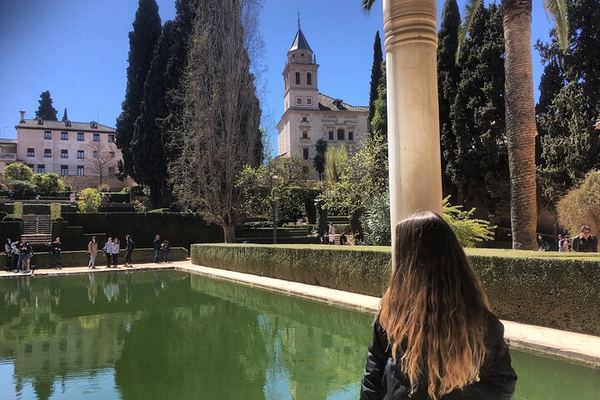
Alhambra Gardens Your Way: Live Guide or Audio Guide, Skip the Line
The booking lets you pick a live guide or an audio guide, and the route covers the Generalife terraces, the Alcazaba of Mohammed I and the Charles V palace.
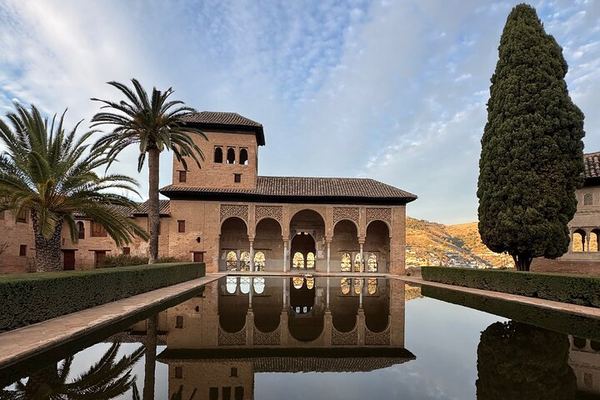
Alhambra Small Group from the New Partal Gardens to the Nasrid Palaces
A small group route that opens in the new Partal gardens facing the Albaicín, then the Generalife palace, the Medina, and the Nasrid Palaces last.
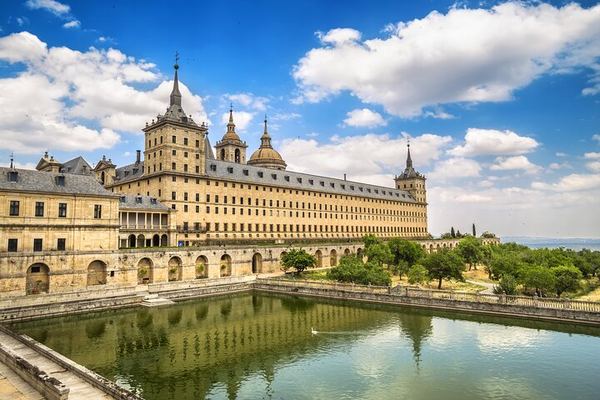
El Escorial and Segovia with a Host-Driver, Tickets Optional
A private host-driver rather than a licensed guide, with the monuments visited independently and admission tickets left as an optional extra to buy.
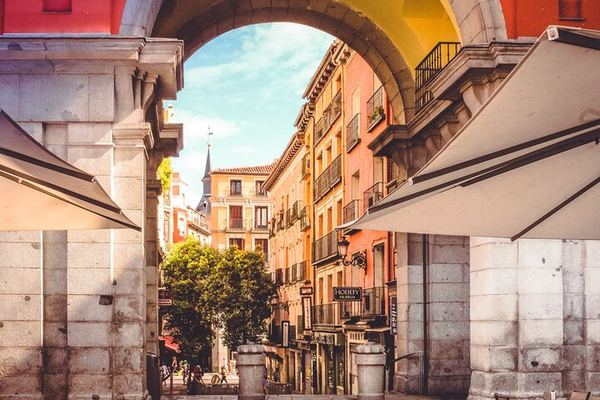
Madrid Old Town Dated: 1619 Plaza Mayor to the 1993 Cathedral
A two-and-a-half-hour walk with the dates attached: the Plaza Mayor of 1619, the market of 1916, the cathedral consecrated in 1993, the 2004 royal wedding.
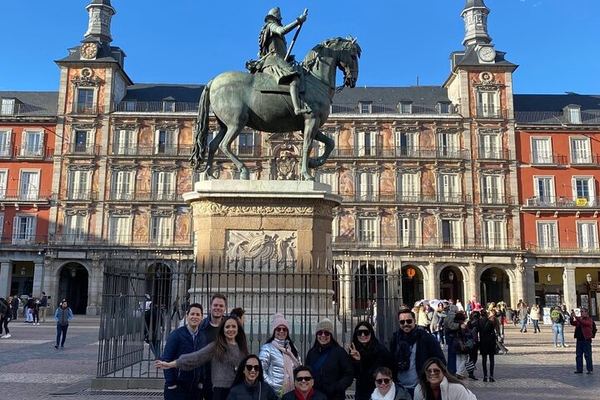
Madrid Old Town Pay-What-You-Want, and the Tunnel to the Royal Palace
The booking holds your place and the guide is paid at the end, as much as you thought it was worth. The route ends outside the Royal Palace at the mirador.
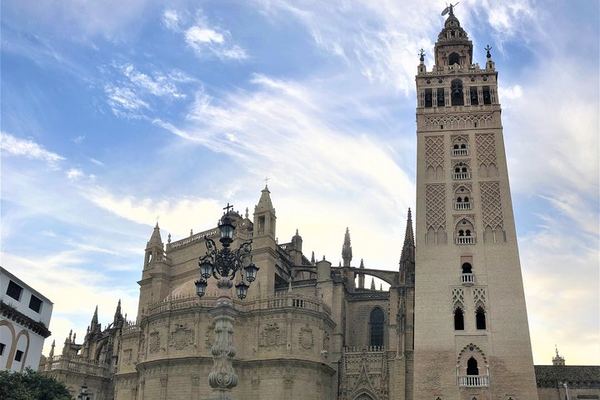
Private Alcázar and Cathedral with Both Tickets in the Price
Both entry tickets are inside the price, so nothing is bought separately, and the start time is set by whichever slot the monuments release. ID required.
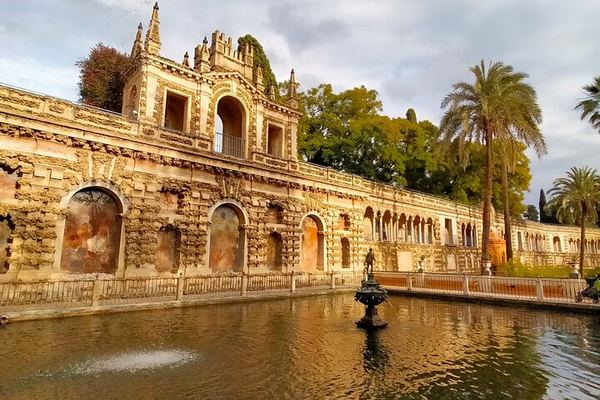
Private Alcázar and Cathedral, with the Columbus Tomb Controversy
Three private hours covering the Cathedral, the Giralda climb and the Alcázar, with the argument over whose remains are in the Columbus tomb included.
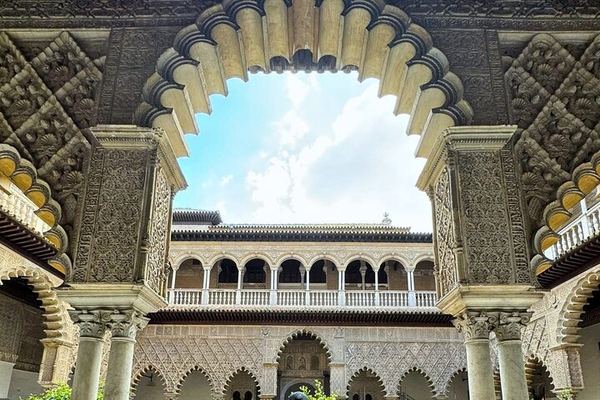
Private Alcázar First, Then the Cathedral and a Giralda Climb After
A private tour that starts at the Alcázar rather than the Cathedral, and leaves the Giralda climb for after the guide has finished. Both UNESCO since 1987.
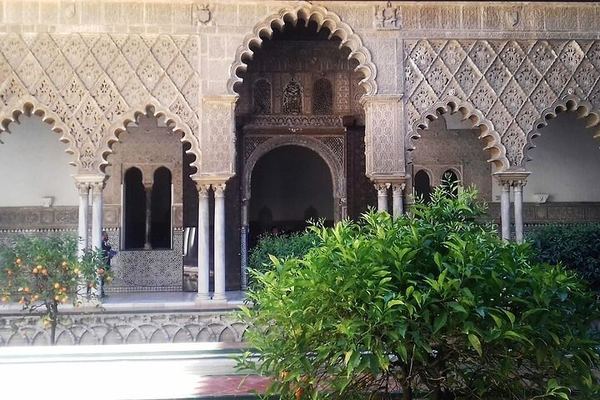
Private Alcázar for the Ceramics and Plasterwork of Mudéjar Seville
A private visit that concentrates on the tilework and the carved plaster, on what Mudéjar actually means, and then on the gardens outside.
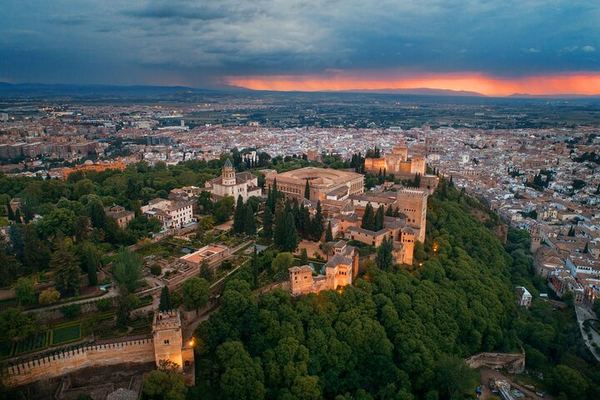
Private Alhambra Starting at the Generalife Gate, Throne Room Included
A private guide, tickets included, and the route running Generalife, Charles V, Alcazaba and then the Throne Room in the Nasrid Palaces. Around three hours.
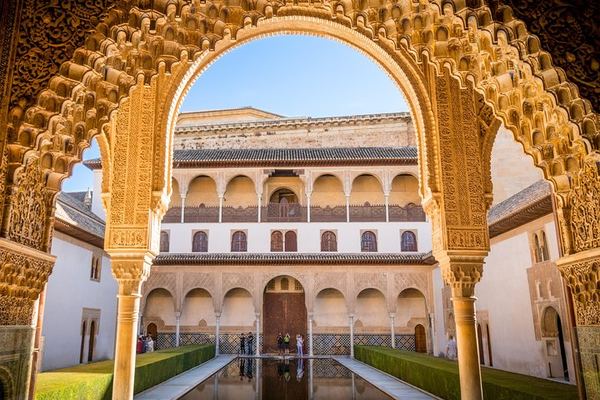
Private Alhambra with the Painted Vaults of the Sala de los Reyes
Three private hours that include the Sala de los Reyes, where figurative court scenes were painted on the vaults, and the muqarnas dome of the Dos Hermanas.
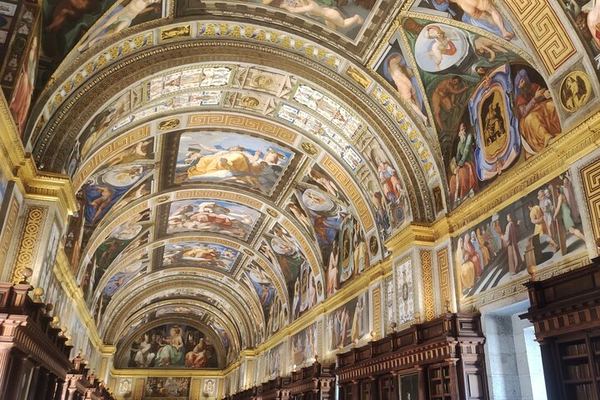
Private El Escorial Ending in the Hall of the Battles
A private guide on site with priority entry, through the library, the Royal Pantheon and the rooms where Philip II died, ending in the Hall of the Battles.
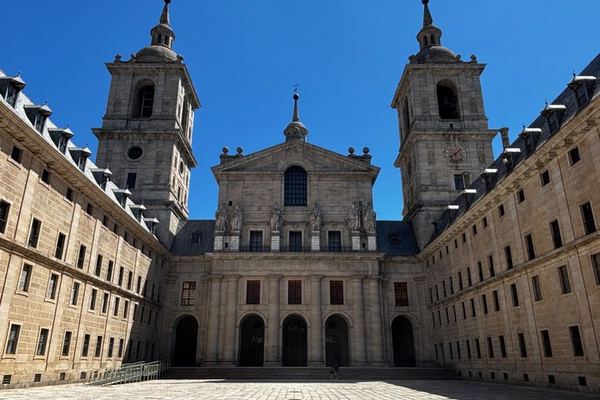
Private Nine Hours: El Escorial, Segovia Cathedral and the Alcázar
Hotel pickup in a Mercedes V-Class, three admissions included, and an official guide. The Tower of Juan II at the Alcázar is the one thing not covered.
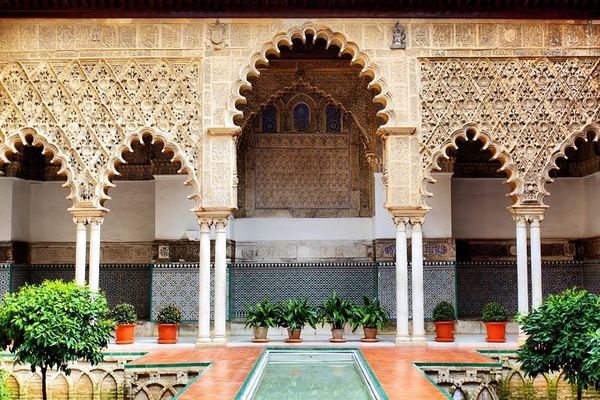
Alcázar Small Group Ending at the Baths of María de Padilla
Ten people at most, in English only, through the House of Trade where the Americas were administered, and down to the Baths of María de Padilla.
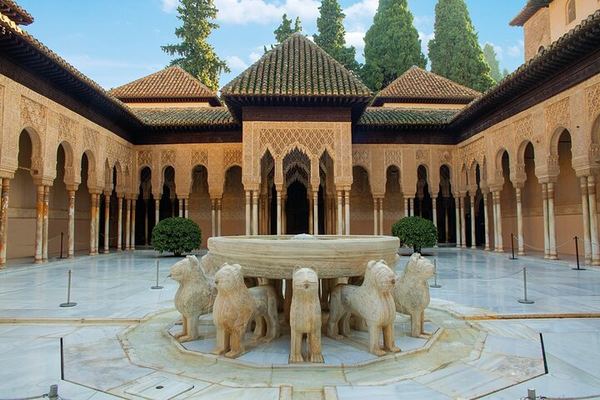
Alhambra Guided to the Kilns Where the Decoration Was Made
The route reaches the workshops and kilns of the Medina, where the plaster and tile decoration was actually made, and the ruins of the Abencerrajes palace.
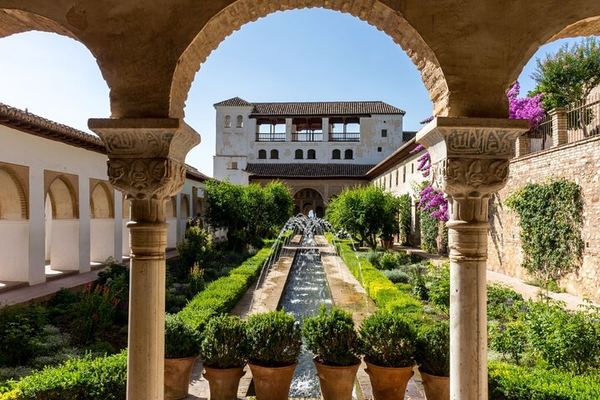
Alhambra in Three Hours: Torre de la Vela Climb, Then the Nasrid Palaces
The route runs backwards from the usual: Generalife first, then the climb up the Torre de la Vela, and the Nasrid Palaces last. Three hours with a guide.
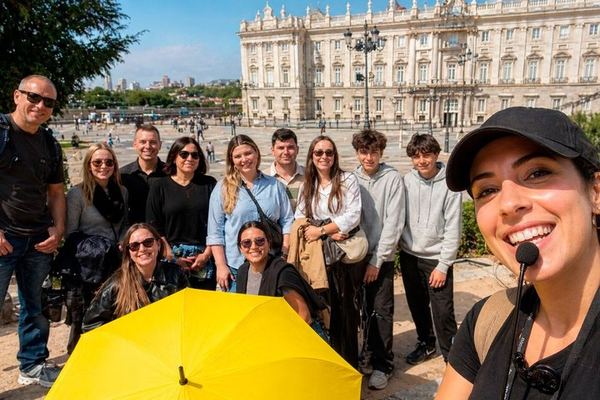
Madrid from the 9th-Century Wall to the Palace: Why It Was Called Magerit
Two and a half hours from Puerta del Sol to the palace viewpoint, taking in the 9th-century wall that founded the city, with a printed map handed out.
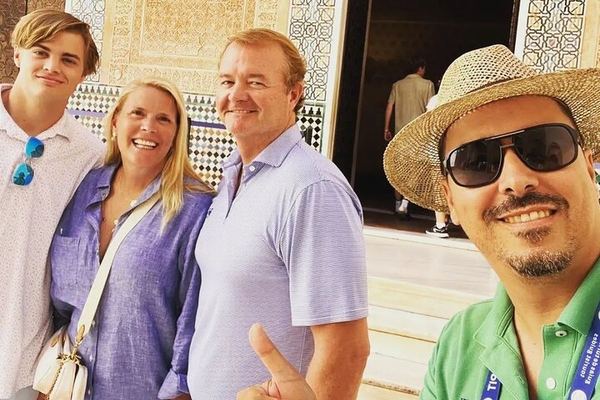
Private Alhambra Including the Ruins of the Medina, Three Hours
Three private hours with a heritage interpreter, taking in the ruins of the medina that most visits walk straight past, plus the palaces, fortress and gardens.
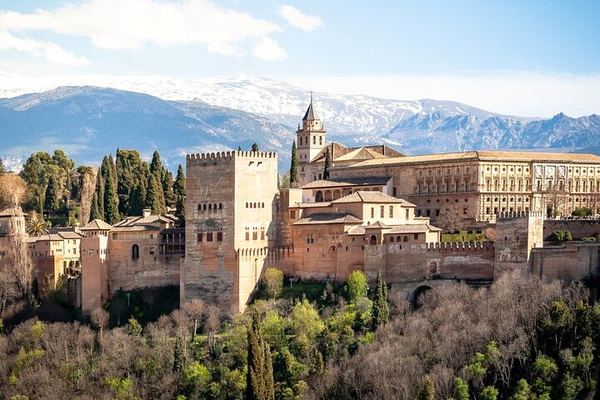
Private Alhambra in Three Hours, Timed Around the Nasrid Slot
A private accredited guide, entrance included, and a schedule built around the Nasrid Palaces slot, which is what decides when the tour ends.
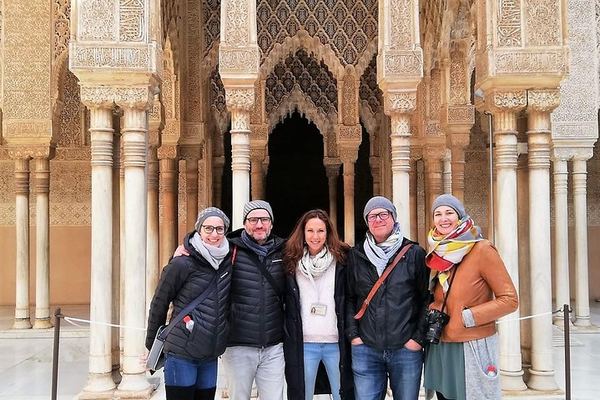
Private Alhambra Room by Room: Mexuar to the Court of the Lions
Three hours with a private guide, taken through the Nasrid Palaces room by room. The original passport is required to enter the Alhambra complex.
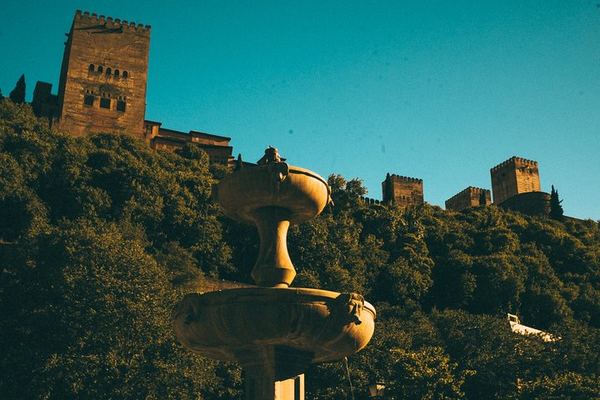
Private Alhambra with an Official Guide, Meeting at the Mural Map
One official guide for your group alone, across the whole walled city: Nasrid Palaces, Alcazaba, the Generalife palaces and the gardens. Meet at the mural map.
Ratings collected by Viator and Tripadvisor
Three owners, and none of their rules travel
Patrimonio Nacional runs both Madrid sites and has given them opposite calendars. The Royal Palace gives entry away on four weekday afternoons, El Escorial on two afternoons that are not the same ones, and the qualifying group at both is unusually wide: EU citizens and residents, and citizens of the Ibero-American countries, on production of a document. What matters at country level is the shape rather than the hours. The free ticket exists only at the ticket desk, at both sites, and the desk shuts before the building does. No online channel sells it, no reseller can obtain it, and no tourist card reproduces that list of nationalities.
The Real Alcazar answers to Seville instead, and its rules read like a city ordinance because they are one. The 15.50 EUR entry quietly covers three municipal museums as well. Anyone born or resident in the city enters free, born counting even for those who moved away decades ago. And the free Monday that the law obliges the monument to offer is sold on the ticketing portal as a bookable product of its own, which had none left when we read it. Free does not mean walk in.
The Alhambra is the strictest of the three and the reason this cluster exists. The ticket carries your name, a single private buyer is capped at ten tickets a month, and at the gate the staff scan the identity document you bought with rather than the ticket itself. No card covers all three cities. The Patronato's own conditions are the only source we trust here, because the Granada Card that forums keep recommending as the fallback could not be checked at all: the city domains that should sell it did not resolve.
| Granada | Seville | Madrid | |
|---|---|---|---|
| Listings tracked | 37 | 20 | 35 |
| Reviews | 38,755 | 30,685 | 37,519 |
| Weighted rating | 4.58 | 4.52 | 4.70 |
| Median price here | 59.00 EUR | 59.50 EUR | 64.05 EUR |
| Adult price at the counter | 22.27 EUR | 15.50 EUR | 24 EUR, or 14 at El Escorial |
| Median length of a product | 180 min | 157 min | 150 min |
| Free cancellation | 6 of 37 | 10 of 20 | 32 of 35 |
| What the difference buys | A named half hour | The cathedral and the Giralda | A guide, or a coach to the sierra |
Where the three cities sit in a trip
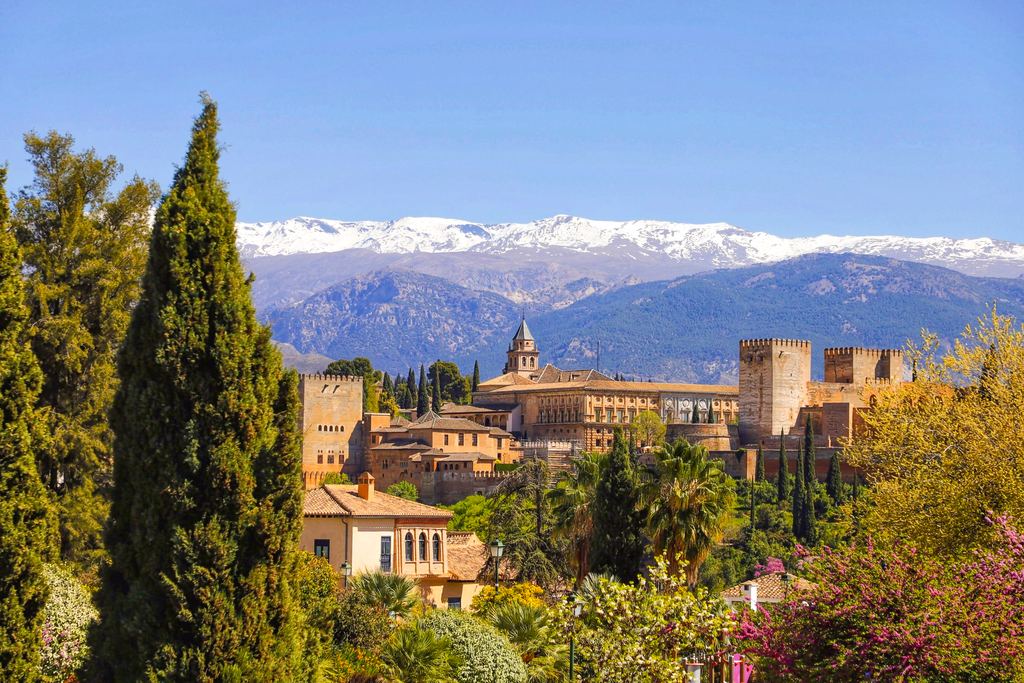
The hill fixes the date, the rest moves
Granada and Seville are both in Andalusia, Madrid is in the centre, and most Spanish trips take the three in a line rather than as day trips from a single base. The order is not a matter of taste. The Nasrid Palaces are the only thing in this catalogue with a fixed, non-transferable half hour printed on the ticket, and the mid-morning slots go first, months ahead. Granada is therefore the date you fix, and the other two cities are arranged around it.
Seville is the easiest to place, because its monument is inside the old town and needs no transport at all. Madrid is a different shape again: the palace is inside the city at Metro Opera and takes 45 minutes of walking through rooms, while El Escorial is a separate journey that most listings here sell as a half day of five hours or more.
How many royal sites fit in one Spanish trip
Travellers who answer this question on forums do not count monuments. They count hours, and across four countries they land on the same figure: two to three hours per site, two sites in a day, three only when the sites are small and close together. Spain makes the arithmetic unusually easy, because each body publishes its own number. The Patronato says the average Alhambra visit runs about three hours. Patrimonio Nacional is franker still about its own buildings: three quarters of an hour to walk the state rooms in Madrid without a guide, and around two hours for a guided monastery.
So Granada is a day, not half of one, and any product that promises the Alhambra plus something else is selling you an hour of the hill. Seville is a morning: the median product there lasts 157 minutes, because in that city a guide almost never sells you one monument on its own, and the price follows the count. Madrid is the only one of the three where two royal sites in a day is realistic, and it works only because the palace is short. The El Escorial listings run a median of 307 minutes, and seven of the ten most reviewed among them also drive to the Valley of the Fallen, a separate site with its own ticket office that the monastery's own page does not cover.

When to come, and why the months differ
The three cities month by month
Read from the published timetables of the three managing bodies rather than from the weather, because in Spain the opening hours move more than the temperature does.
| Month | 1 | 2 | 3 | 4 | 5 | 6 | 7 | 8 | 9 | 10 | 11 | 12 |
|---|---|---|---|---|---|---|---|---|---|---|---|---|
| GranadaFrom 1 April the complex closes at 20:00 instead of 18:00, which creates more Nasrid slots. September and October sell out earliest. August is the easiest month to find a ticket and the hardest to climb the hill. | 1 | 2 | 3 | 4 | 5 | 6 | 7 | 8 | 9 | 10 | 11 | 12 |
| SevilleThe Alcazar runs 09:30 to 17:00 from October to March and 09:30 to 19:00 from April to September. In high summer the useful ticket is the 21:00 garden concert, not the courtyards at midday. | 1 | 2 | 3 | 4 | 5 | 6 | 7 | 8 | 9 | 10 | 11 | 12 |
| MadridApril to September both royal sites keep the late timetable. From October the palace shuts at 18:00, El Escorial at 18:00 with its desks at 16:45, and the palace closes at 16:00 every Sunday in every season. | 1 | 2 | 3 | 4 | 5 | 6 | 7 | 8 | 9 | 10 | 11 | 12 |
Months follow the seasonal timetables of the Patronato de la Alhambra, the Real Alcazar and Patrimonio Nacional, all read on 2026-09-05.
One month in that table is counter-intuitive and worth spelling out. August in Granada is marked as a month to avoid, and it is, because the hill is exposed and the climb is uphill in every direction. It is also the easiest month of the year to get an Alhambra ticket, for exactly the same reason. If the date is already fixed and the official calendar is empty, an August morning slot is a real option, and so is the night visit to the Nasrid Palaces, which draws on a separate quota from the daytime one.
What this catalogue does not cover
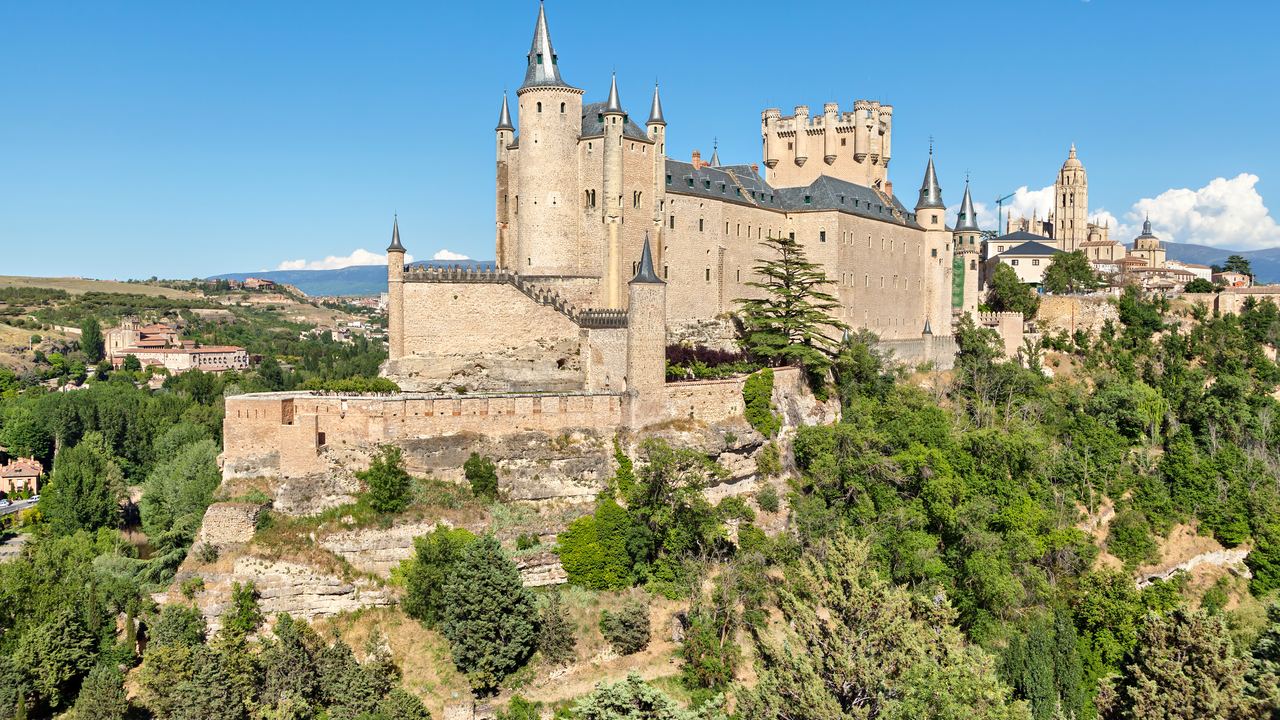
Spain has more castles than any single page can carry, and it is worth being plain about the edges of this one. The photograph at the top is the Alcazar of Segovia, and Segovia is not part of this catalogue: it appears in it exactly once, as the third stop of a single ten-hour day trip out of Madrid that also takes El Escorial and the Valley of the Fallen. Toledo, Manzanares el Real, Coca, Belmonte and the Andalusian castle routes are not here either.
What is here is 92 listings in three cities, from three suppliers: 74 from Viator, 14 from Tiqets, 4 from Civitatis. Twenty-two of them are private tours and ten are small group, which is why the third quartile sits so far above the median. The counts are of products in the catalogue, and they are the honest measure of what this site can say something useful about.
Questions asked before booking anything in Spain
What does it actually cost to get in?
At the counter: 22.27 EUR for the Alhambra's general daytime ticket, 15.50 for the Real Alcazar of Seville, 24 for the Royal Palace of Madrid, 14 for El Escorial. In this catalogue the median listing is 62 EUR, because the products bundle a guide, a reserved slot or transport with the entry. Both numbers are true and they are not measuring the same thing.
Is there one pass that covers all of them?
No. The three cities answer to three different bodies. Madrid's Paseo del Arte ticket is often mistaken for one and is not: it covers the Prado, the Reina Sofia and the Thyssen, none of which belong to Patrimonio Nacional. The Alhambra is not in it either.
Which of these can I still book at the last minute?
Seville, most of the time, at the Patio de Banderas desk. El Escorial states that buying in advance is indispensable, though it adds that if the guided visit is sold out online you can still ask at the desk. The Alhambra is the hard one: regulars on the Granada forums say the same-day counter option disappeared several years ago and everything now goes through the official site.
What is the free entry people keep mentioning?
Three separate things. Patrimonio Nacional opens the Royal Palace free from Monday to Thursday, late afternoon, and El Escorial on Wednesday and Sunday afternoons, both only at the desk, both needing a document that proves EU or Ibero-American citizenship or EU residence. Seville has a free Monday slot that is booked as its own product and had none left when we checked. The Alhambra has no general free window at all.
How many days do the three cities need?
A full day for Granada, because the Patronato itself puts the average visit at three hours and the hill is a climb. A morning for Seville, or 157 minutes if you take the median product there. Two half days for Madrid, one in the city and one in the sierra, unless you skip El Escorial and turn it into a single afternoon.
Why do so few Spanish listings offer free cancellation?
48 of the 92 do, against 84 percent across this whole site, and the average hides the split. Madrid is at 32 of 35 and Granada at 6 of 37. The reason is the Alhambra: the supplier is holding named tickets drawn from a fixed daily quota, and a ticket with your name on it cannot simply be handed to somebody else the next morning.
Data verified on. Catalogue figures from the 92 Spanish listings on this site. Prices, timetables and free-entry rules from the Patronato de la Alhambra, the Real Alcazar and Patrimonio Nacional.