
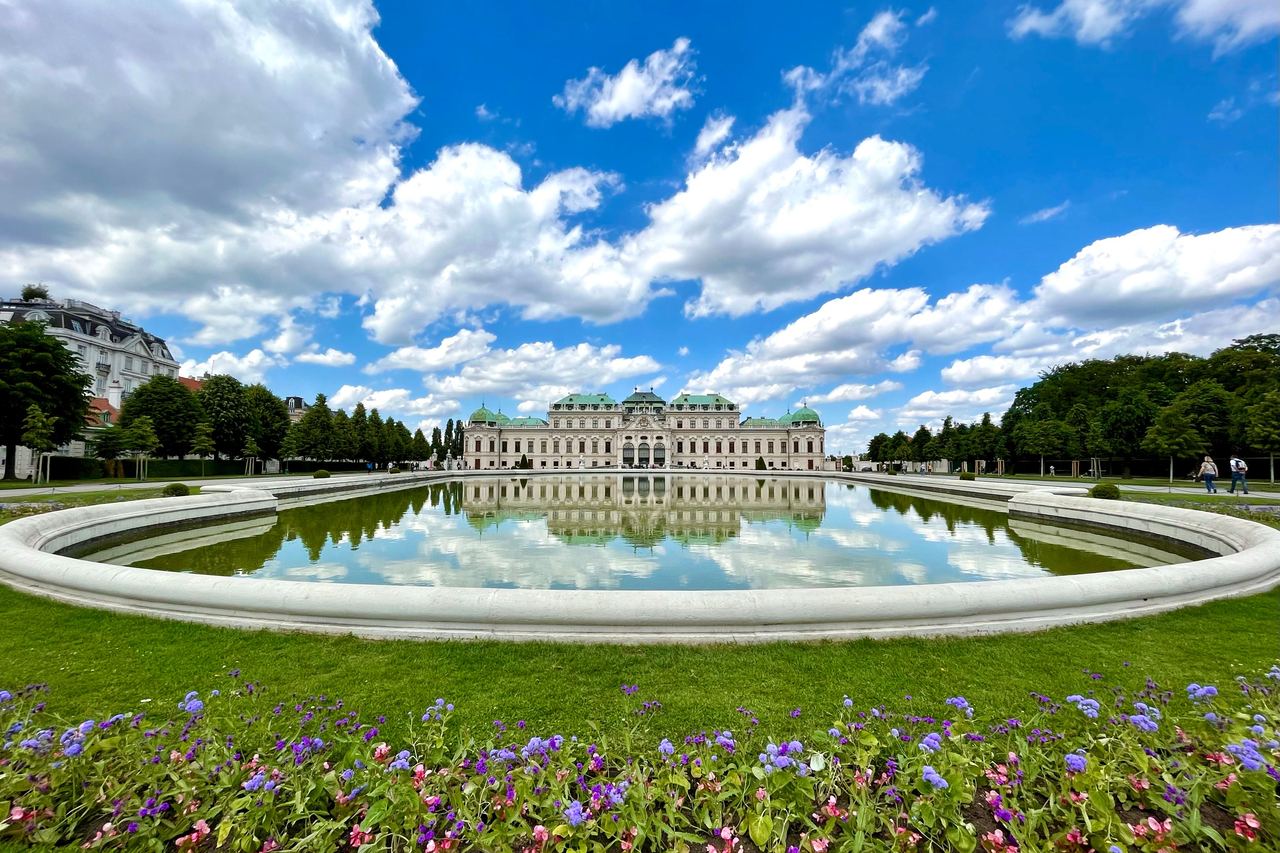
Belvedere Palace Tickets and Klimt Tours
Twenty three EUR at the Upper Belvedere's door, 150 as the median of the 17 listings here, and a time slot that stops counting the moment you are inside.
The Belvedere is the one building in this catalogue that people enter for a painting rather than for a building. Two of the three most reviewed products here carry Gustav Klimt's name in the title and one of them names The Kiss, and the most expensive listings on the page are private tours built around that single canvas. It is worth saying plainly, then, that the museum's own pages do not tell you where the painting hangs. What belvedere.at says, in the text we read on 5 September 2026, is that its collection holds masterpieces by Klimt, Schiele, Funke, Messerschmidt and van Gogh. The claim that The Kiss is in the Upper Belvedere comes from the Vienna PASS, not from the museum. Every listing here that names the painting is an Upper Belvedere ticket, which costs 23 EUR at the door.
There are three buildings, not one, and they are priced separately: the Upper at 23 EUR, the Lower at 17, Belvedere 21 at 12. Two of them together cost 32 EUR against the 43 they come to apart, and all three cost 34 against 55, which makes this the only place in Vienna where buying more costs less. The prices carry an unusual label. Both palace pages call the figure a current day price, and on the day this was checked the museum's own shop page showed 20 EUR for the Lower Belvedere while the Lower Belvedere's own page showed 17. Read the price on the day you buy. No other monument in the Austrian catalogue warns you that it might move.
The structural difference from the other imperial palace in Vienna is the clock. Here a time slot fixes the hour you walk in and nothing else. The museum's FAQ states that the duration of your stay is unlimited, and last admission is 30 minutes before closing, after which the building shuts on the hour rather than by degrees. That single rule is why this is the better second stop of a two palace day: a tram that runs late costs you the beginning of the visit, not the visit.
Seventeen listings are tracked here, 13 from Viator, 3 from Tiqets and 1 from Civitatis. All 17 can be cancelled free of charge, which no other category in the Austrian catalogue manages, and only 4 confirm immediately. Five of the 17 are private tours, and they are the reason the median looks the way it does.
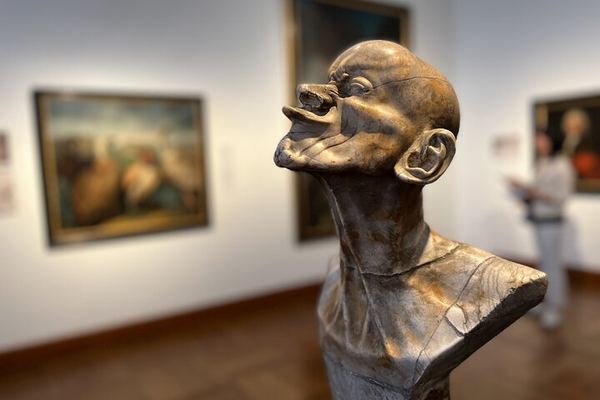
Eight Hundred Years of Art in Two Hours, Under the Belvedere Sign
Two hours with a licensed private guide and a timed entry, across 800 years of collection: Klimt, Schiele, Monet, van Gogh and Rodin. Gardens included.
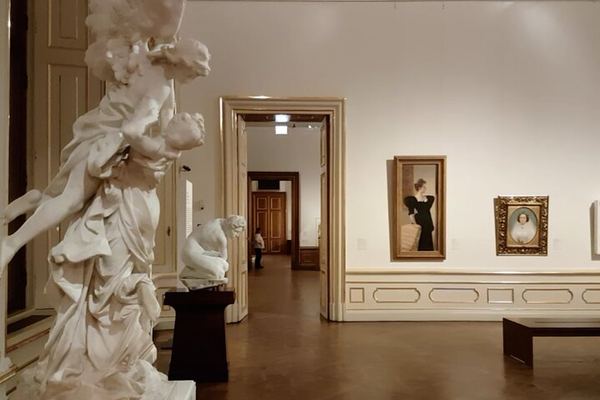
Judith, The Embrace and The Girl and Death, Read as Austrian Identity
A themed private tour reading the collection as national identity, from medieval gilding to Waldmüller. The meeting point is 100 metres in from the street.
Moholy-Nagy, Motesiczky and Kupka Beside the Klimt Everyone Knows
Four lengths from two to four and a half hours, and the longer ones add the Lower Belvedere: the Grotesque Hall, the Orangery and the medieval armour.
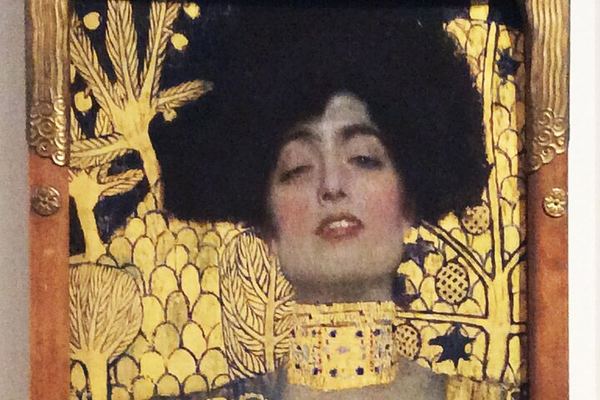
The Beethoven Frieze Is the One Work of His That Surrounds You
Three buildings in one tour: The Kiss and Judith, then the Beethoven Frieze, then Death and Life and the university ceilings at the Leopold.
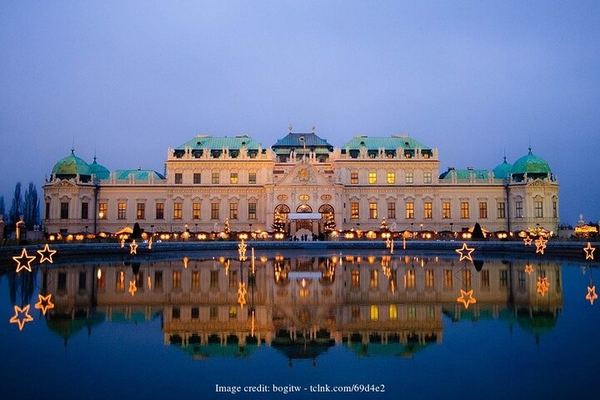
Three Private Hours That End at the Christmas Market, Not the Exit
Tickets included, the park and the Klimt rooms first, then a guided turn through the Belvedere Christmas market, where the tour leaves you free.
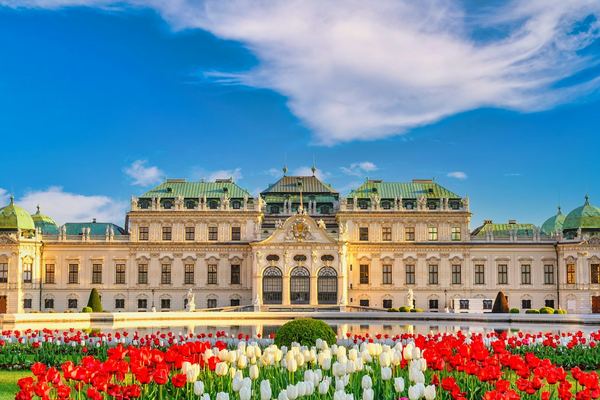
Four Hundred and Thirty Works, and the Marble Hall Around Them
A group tour through 430 works, van Gogh, Monet and Schiele among them, in rooms the Austrian state has been filling since 1948. Cancel by the time slot.
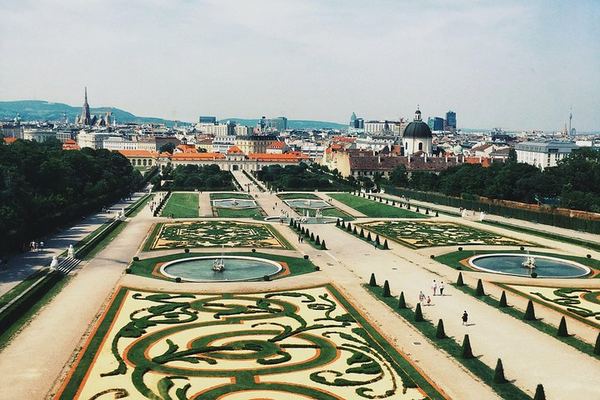
One Hour Outside, Ninety Minutes Inside, and the Ticket Is Yours to Buy
Admission is not included and the guide helps you buy it. Meet at the ticket office 15 minutes early, then the gardens, and Klimt's golden period.
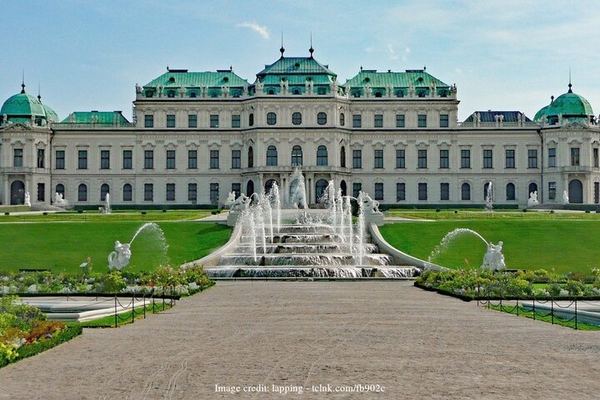
Start at the Lower Gate on Rennweg and Walk Up Through the Park
Two and a half hours beginning at the Lower Belvedere on Rennweg, up through the French garden and the lake, and into the Klimt rooms at the top.
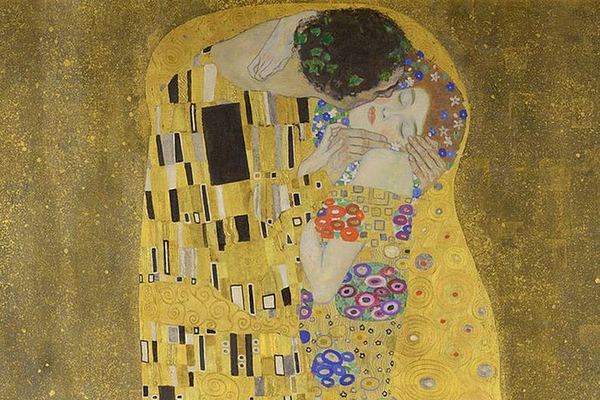
The Bride Was Left Unfinished in the Studio When the Ambulance Came
A private tour on Klimt alone, from the early Portrait of an Unknown Lady to the unfinished Bride, with his rivals and collaborators hung around him.
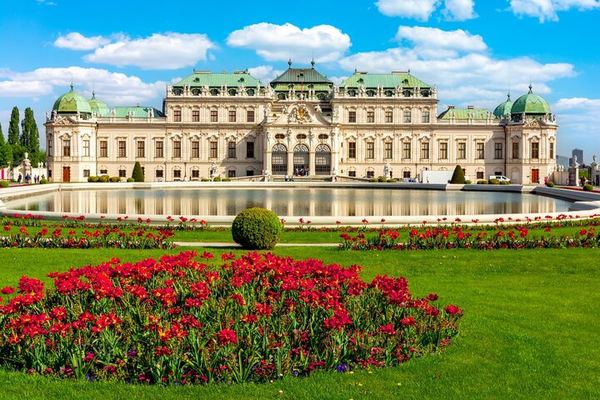
The Café Staff Know Nothing About the Tour, So Wait Out Front
A reserved time slot, the Grand Staircase, and Klimt, Schiele and van Gogh with an art historian. The tour ends at the Orangery in the gardens.
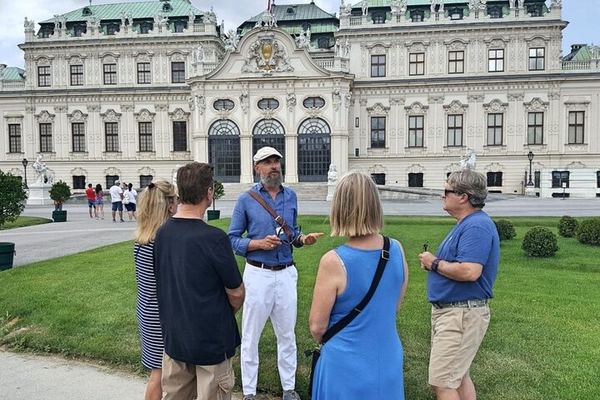
A Scholar Guide to Yourselves, from the Terraces to the Attersee
Two and a half hours in a private group: an hour on the grounds and the two palaces, ninety minutes in the galleries. Admission is bought on site.
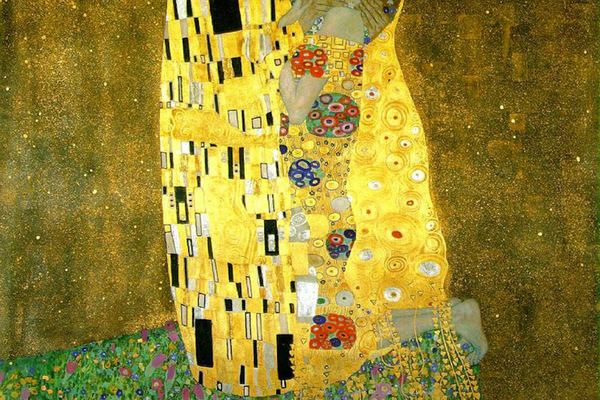
The Fifteenth-Century Znaim Altarpiece Shares This Ticket with Klimt
One ticket for the Upper Belvedere alone: Klimt's The Kiss, the medieval rooms with the 15th-century Znaim Altarpiece, and 19th and 20th-century art.
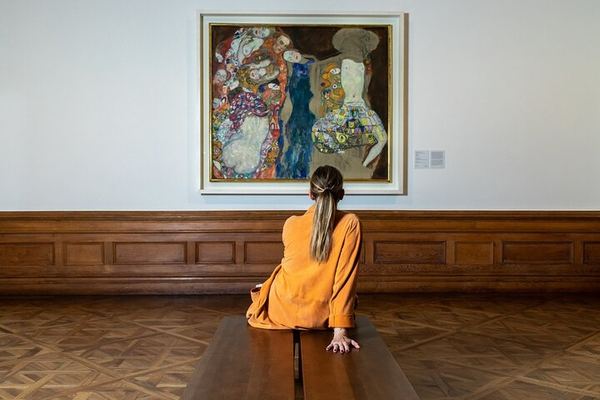
Tram D to the Black Gate, and The Kiss Is Painted in Real Gold Leaf
The largest Klimt collection anywhere, plus van Gogh, Monet, Rodin and the Gothic winged altars, with a live guide. One minute from the tram stop.
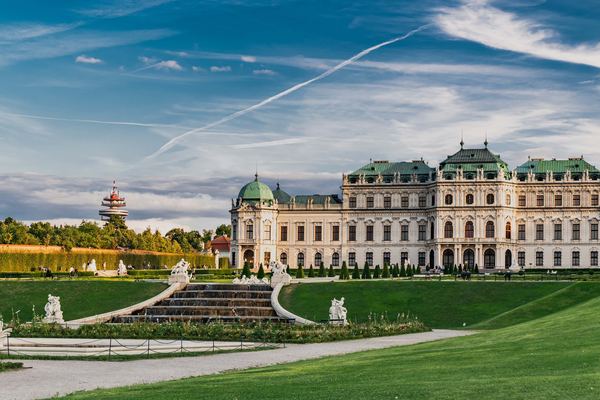
Carlone Finished the Marble Hall Ceiling in 1723; Austria Signed Below It in 1955
An hour and a half to two hours taking in the gardens, Klimt's Sonja Knips beside The Kiss, and the Marble Hall where the State Treaty was signed.
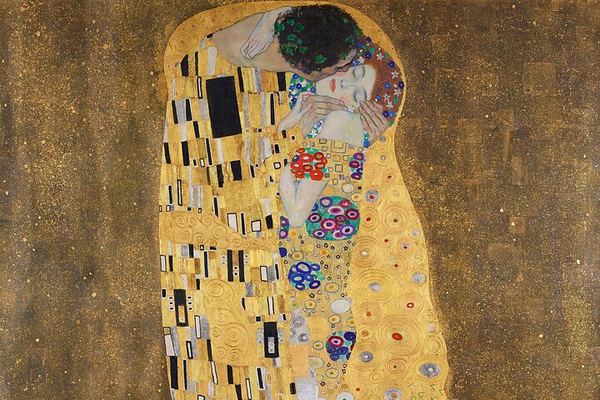
Straight to the Door, No Guide: the Kiss and What Hangs Around It
Admission alone, walk straight in: Klimt's The Kiss, Schiele and Kokoschka, and the permanent collection that runs from Cranach to Lassnig.
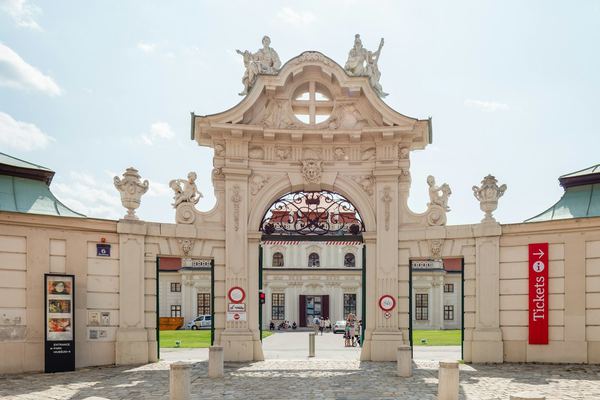
Finished in 1716 to Hildebrandt's Plan, and Lived In, Not Displayed
The half Prince Eugene actually lived in, finished 1716 to Hildebrandt's design, with state rooms and the contemporary shows in the Orangery.
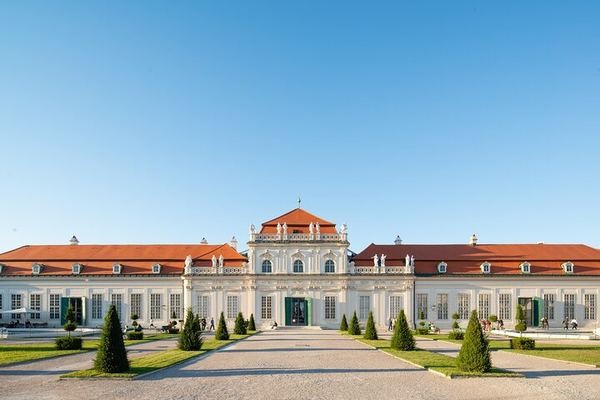
Temporary Shows, the Orangery and the Stables, and No Klimt Here
Temporary shows rather than the Klimt rooms, with the Orangery and the Palace Stables included, and a garden on three terraces between the two palaces.
Ratings collected by Viator, Tripadvisor, Tiqets and Civitatis
Three buildings, three tickets
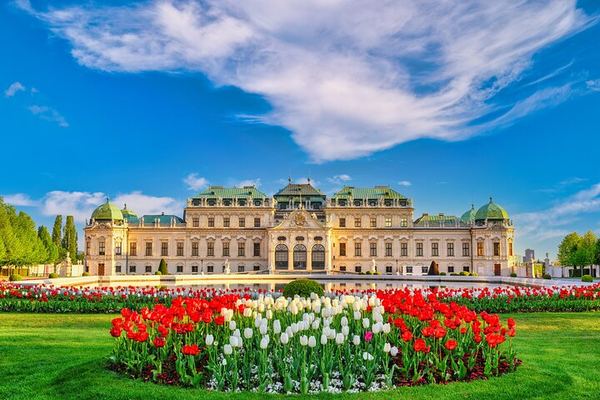
The Upper Belvedere is the one with the collection people come for and the long reflecting pool in front of it. The Lower Belvedere, at Rennweg 6, is a separate building with a separate entrance and a separate ticket; the two are joined by the garden, not by a corridor. Belvedere 21 is the modern building, cheapest of the three at 12 EUR, and the only one of the three with a closing day.
The combined tickets are the plainest saving in Vienna: 32 EUR for the Upper and the Lower against 43 bought apart, 34 EUR for all three against 55. There is also a product that removes the time slot altogether, which is the museum's own annual Gold Pass at 49 EUR, unlimited entry to all three buildings with no booking at all. It is an odd thing to buy for a holiday, and it is the clearest statement of what the slot is actually for: crowd control at the door, not a limit on you.
| Upper Belvedere | Lower Belvedere | Belvedere 21 | |
|---|---|---|---|
| Adult ticket | 23 EUR | 17 EUR, or 20 on the shop page | 12 EUR |
| Opening hours | 9:00 to 18:00 daily | 10:00 to 18:00 daily | 11:00 to 18:00, closed Monday |
| Late opening | To 19:00, 15 July to 31 August 2026 | None published | Thursday to 21:00 |
| Booking | A fixed admission time | A fixed admission time | A day, with no fixed time |
| Vienna PASS | Included, fast track, no slot | Included, fast track | Included, fast track |
| With the Vienna City Card | 21.50 EUR | 15.50 EUR | 10.50 EUR |
What the time slot does and does not do
Both palaces sell a fixed admission time. Belvedere 21 does not: there you choose the day and turn up when you like. For the two palaces the rule is worth reading closely, because it is the opposite of what timed entry usually means in a European museum.
The slot governs the door and stops there. Last admission is 30 minutes before closing and the museum closes precisely on the hour, so the practical limit on a late visit is the closing time rather than the ticket. The museum also admits something most do not: at busy moments a valid slot may still involve a short wait, with priority over people who have not bought yet. A slot is a place in a shorter queue, not the absence of one. No tolerance in minutes is published anywhere for arriving late, which in practice makes the rule softer than Schönbrunn's and less predictable.
The Vienna PASS changes this completely, and in the direction people expect a city pass to work: holders need no time slot at all and walk past the ticket counter to the exhibition entrance, showing the card with an ID. The Vienna City Card, which sounds like the same product and is not, gives a discount instead: 23 EUR becomes 21.50, 17 becomes 15.50, 12 becomes 10.50. Booking by telephone is not possible at all, for privacy reasons the museum states outright.
A time slot is the set time for your admission to the museum. The duration of your stay, however, is unlimited.

How long a visit takes, when nobody will say
The other imperial palace in Vienna attaches a stated length to every ticket it sells. Here there is none, for any of the three buildings, and the gap has been filled by every guidebook with a different number.
Two things can be said honestly. The only estimate we could trace to a named source is the Vienna PASS, which puts the Upper Belvedere at about 1.5 to 2 hours and 3 to 4 hours for the garden and the Lower Belvedere as well; that is a third party, not the museum. And the listings themselves agree with it: 15 of the 17 products here declare a duration and the median is 120 minutes, which is what a room-by-room visit to the Upper plus the walk through the garden actually takes. Two hours is the number to plan with, and the ticket will not cut you off if it runs to three.
Why the median here is 150 EUR
The gap between a 23 EUR door and a 150 EUR median is the widest in the Austrian catalogue, and it is not a markup on the same thing. Five of the 17 listings are private tours led by an art historian, priced at 150, 165 and 195 EUR, and two products cost more than 250 with a top of 470. The first quartile is 45.05 EUR and the third is 218.93, so the page is really two catalogues: entrance tickets at 17 to 23 EUR, and a person for the afternoon at 150 and up.
The ratings do something unexpected with that split. Among the ten most reviewed products here, everything priced above 45 EUR rates between 4.4 and 5.0, including the 195 EUR private tour at a clean 5.0 from 27 reviews and a 68.80 EUR guided visit at 4.8 from 78. The two cheapest of those ten, both entrance tickets to the Lower Belvedere at 17 EUR and sold by different providers, both sit at 4.0. Two independent sets of buyers arriving at the same number is not noise. The plain ticket to the smaller palace is the thing people here are least happy with, and at 15 EUR less it is also the easiest to buy by mistake.
Which suggests a simple rule for this door. If the budget is 23 EUR, buy the Upper Belvedere rather than the Lower. If it is 32, buy both and start with the Upper. The 150 EUR products are worth it for one reason only, and it is a good one: somebody who can talk for two hours about a collection you have come a long way to see.
One ticket carries three quarters of the reviews
This page has 7,093 reviews and a weighted rating of 4.529, which looks like the settled opinion of thousands of visitors. It is mostly the opinion of one queue. A single 23 EUR Tiqets ticket, the Upper Belvedere entry with the Klimt collection, carries 5,215 of those reviews, 74 percent of the total, and it rates 4.6. The average of the page is in practice that product's average wearing the palace's name.
The reason to say so is not statistical fussiness. It is that the second most reviewed product, a Viator entrance ticket to the same building at the same 23 EUR, rates 4.3 across 919 reviews, three tenths lower for what is materially the same admission. When two sellers of an identical ticket land that far apart, the difference is in the booking and the collection of the ticket rather than in the museum, and that is the part a catalogue like this one can actually help with.

Rules at the door
Photography is allowed for private, non-commercial use, without flash, tripod or selfie stick, and as long as the works are not put at risk. Individual rooms, exhibitions or single paintings can be signposted otherwise, and that overrides the general rule. Wedding photography is not covered by any of that: the rooms of the Upper Belvedere need a separate permit and a fee, and the garden needs the permission of the federal gardens authority.
Two practical things stop people on the threshold. Large bags and backpacks do not come in, and the lockers want a 2 EUR coin, which is reported by the Vienna PASS rather than by the museum, so treat it as a reason to have the coin rather than as a guarantee. And the only weekly closure in the whole complex is Belvedere 21 on Mondays, unless the Monday is a public holiday, with a late opening to 21:00 on Thursdays. The Upper and the Lower are open every day of the year, and no annual closing date appears on any of the pages we read.
The Belvedere, before you book
How much is a Belvedere ticket?
Twenty three EUR for the Upper Belvedere, 17 for the Lower, 12 for Belvedere 21. Two together are 32 EUR and all three are 34. Both palace pages label the figure a current day price, and on 5 September 2026 the shop page showed 20 EUR for the Lower while the Lower's own page showed 17.
Where is Klimt's The Kiss?
The museum's own pages, in the text we read, do not say. They list Klimt among the artists in the collection without naming the room or the painting. The attribution to the Upper Belvedere comes from the Vienna PASS. Every listing in this catalogue that names the painting is an Upper Belvedere ticket, at 23 EUR.
Is the time slot strict?
It fixes when you go in and nothing more: the museum states that the duration of your stay is unlimited. Last admission is 30 minutes before closing. No tolerance for arriving late is published, and at busy times a valid slot can still mean a short wait, with priority over people who have not bought a ticket.
Does the Vienna PASS work here?
Yes, and properly: no time slot, straight past the ticket counter to the exhibition entrance, with the card and an ID. All three buildings are included. The Vienna City Card is a different product and gives a discount only, taking 23 EUR to 21.50, 17 to 15.50 and 12 to 10.50.
How long should I allow?
Two hours. The museum publishes no duration at all, but 15 of the 17 listings here declare one and the median is 120 minutes, which matches the outside estimate of 1.5 to 2 hours for the Upper Belvedere alone, or 3 to 4 with the garden and the Lower added.
Is there a day of the week to avoid?
Not for the two palaces: the Upper and the Lower open every day, including public holidays. Belvedere 21 is the exception, shut on Mondays unless the Monday is a holiday, and open until 21:00 on Thursdays, which is the quietest useful hour in the complex.
Why do so many listings cost more than 100 EUR?
Because five of the 17 are private tours with an art historian, at 150, 165 and 195 EUR, which pulls the median to 150 against a 23 EUR door. Among the ten most reviewed products, everything above 45 EUR rates between 4.4 and 5.0, while the two 17 EUR Lower Belvedere tickets both sit at 4.0.
Data verified on. Prices, hours and house rules read on 5 September 2026 from belvedere.at and its FAQ, plus the Vienna PASS sight pages. Catalogue figures from the 17 listings we track.